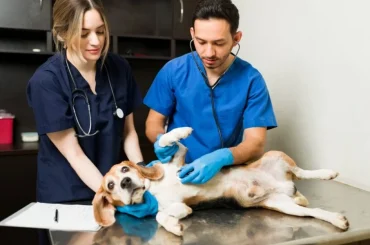
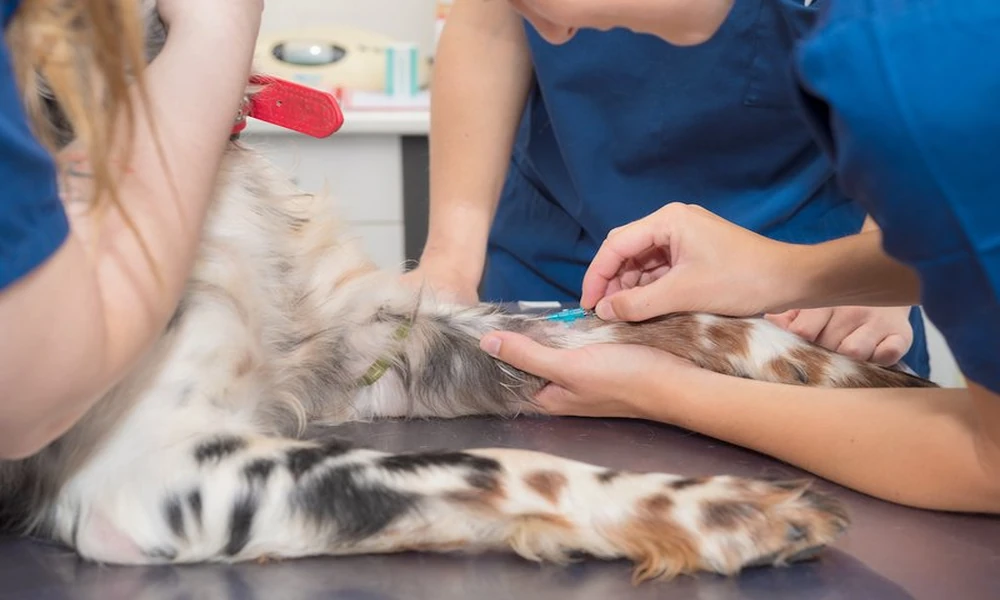
You might be feeling both excited and a little worried right now. There is this tiny new life in your home, full of energy and trust, and you are suddenly aware of how fragile puppies and kittens really are. Maybe you are googling vaccines at midnight, wondering about the “right” food, or stressing over a strange sneeze or soft stool. It can feel like you are supposed to know everything already, even though no one really teaches you how to raise a healthy young pet-especially if you’ve never worked with a veterinarian in East Moriches before.
Because of this pressure, you might be asking yourself a simple question. Is an animal hospital really that different from a regular vet visit, and does my puppy or kitten truly need that level of care? The short answer is yes. Modern specialized veterinary care for puppies and kittens is built around prevention, early detection, and gentle guidance, so you are not guessing your way through the most important months of your pet’s life.
So where does that leave you today. You do not need to become an expert overnight. You only need to understand what an animal hospital can do for your young pet, how those services protect both health and behavior long term, and what practical steps you can take right now to feel more confident.
Why early puppy and kitten care feels so overwhelming
It often starts with something small. Your puppy chews on a rock. Your kitten hides and refuses to eat. A friend mentions parvo or feline leukemia and suddenly every small symptom feels big. You are not just worried about today. You are worried about the “what if” that might show up months or years later if something is missed now.
The problem is that young animals change fast. Their immune systems are still immature. Their bones, teeth, and joints are developing. Their brains are soaking up every experience, good or bad. A skipped vaccine, poor diet, or painful medical issue during this window can echo through the rest of their life. This is why general advice online can feel shallow or confusing. It is not tailored to your individual puppy or kitten.
Because of this tension, you might start to delay care. Maybe you wait on vaccines to save money. Maybe you skip a wellness exam because your pet “seems fine.” Yet this is where risk quietly grows. Diseases like parvo, distemper, panleukopenia, and respiratory infections hit young pets hardest. Dental issues begin early. Behavior problems like fear and aggression can root themselves in the first months. By the time problems are obvious, treatment is often more expensive and more stressful.
An animal hospital for young pets is designed to break this cycle. Instead of reacting to crises, the medical team builds a plan around your puppy or kitten’s age, breed, environment, and your budget. They look for what you cannot see yet. They explain what truly matters and what you can let go of, so you are not living in constant anxiety.
What specialized care at an animal hospital actually looks like
So what does this specialized care involve in real life? It is more than just vaccines and a quick exam. A good animal hospital offers a structured, age-based approach that covers medical needs, behavior, and your day-to-day questions.
For puppies, this often includes a tailored vaccination schedule, parasite prevention, nutrition counseling, and early behavior guidance. The ASPCA’s general dog care guidelines give a helpful overview, but an animal hospital translates that into a concrete plan for your specific puppy. For example, a large breed puppy will have different joint and growth concerns than a toy breed, and a pup that goes to dog parks needs a different vaccine strategy than one that stays at home.
For kittens, focused care can be even more critical. Kittens are prone to respiratory infections, intestinal parasites, and serious viruses like FeLV and FIV. They also have unique nutrition and socialization needs. Resources like the AVMA’s kitten care guidance explain the basics. Your animal hospital builds on that with testing, vaccine planning, litter box coaching, and spay or neuter timing that fits your cat and your household.
Because the team sees so many young animals, they are alert to early warning signs. A mild heart murmur, a subtle limp, a small eye discharge, or a pattern in stool changes are often caught in these visits. Early treatment can mean the difference between a simple fix and a lifelong problem.
How does specialized puppy and kitten care compare to “wait and see”?
You might still be wondering whether frequent visits and tailored care are really worth it, especially if you are watching your budget. It can help to compare the two paths many owners take.
| Approach | Short term cost | Common risks | Long term impact |
|---|---|---|---|
| Proactive care at an animal hospital | Higher in the first year due to vaccines, exams, and preventive care | Lower risk of severe infectious disease, fewer surprise emergencies | Better chance of healthy adulthood, fewer chronic issues, more predictable expenses |
| “Wait and see” or minimal care | Lower early cost, fewer scheduled visits | Higher risk of parvo, panleukopenia, parasites, behavior issues, and dental disease | Greater chance of expensive emergencies, avoidable suffering, and long-term health problems |
If you imagine a puppy that never received full vaccines, the difference is clear. That dog might be fine for months, then suddenly crash with bloody diarrhea and vomiting from parvo, requiring hospitalization that costs far more than a full year of preventive visits. A kitten who never had early dental checks might seem healthy, then develop painful tooth resorption or gum disease by age three. In both cases, the “savings” in the first year vanish, and the emotional toll is heavy.
On the other hand, when you use an animal hospital for structured puppy and kitten care, you are buying clarity and stability. You know when shots are due. You have a plan for spay or neuter. You get help with house training or litter box issues before they become battles. You have a place to call when something feels off, and a team that already knows your pet.
Three practical steps you can take right now
1. Schedule a “new pet” wellness visit and bring your questions
If you have not yet done a first visit, or if it has been a while, make that your starting point. Ask for a new puppy or new kitten exam. Bring any records from breeders, shelters, or previous vets. Write down your questions in advance. Common topics include vaccine timing, safe socialization, food choices, crate training, scratching behavior in kittens, and when to spay or neuter. A good medical team will welcome these questions and walk through a plan with you, not rush you out the door.
2. Commit to a simple preventive plan you can actually follow
Perfect is not required. Consistent is. Work with the animal hospital to create a basic schedule for vaccines, parasite prevention, and wellness checks that fits your life and budget. Maybe that means bundling vaccines into a few visits, or choosing a monthly heartworm and flea product that is easy to remember. The best plan is the one you can stick with, because that steady care is what protects your puppy or kitten when you are not looking.
3. Use the hospital as your “first call,” not the internet, for scary changes
When something sudden happens, such as vomiting, coughing, hiding, limping, or refusal to eat, it is natural to search online. Use that only as background. Your first real step should be to call the animal hospital that knows your pet. Describe what you see, how long it has been happening, and any recent changes in food or environment. Early phone triage can tell you whether to monitor at home, schedule a visit, or come in urgently. This saves you from both overreacting and underreacting in stressful moments.
Moving forward with more confidence and less fear
You are not expected to be perfect. You are expected to care, to notice when something feels wrong, and to reach out for help when you are unsure. That is how strong bonds are built and how healthy adult dogs and cats are made. Specialized puppy and kitten care at an animal hospital does not remove every risk, yet it dramatically tilts the odds toward a long, comfortable, joyful life for your pet.
So as you watch your young companion nap, play, and explore, remember that you do not have to hold all the answers in your head. You only need to choose partners who understand early life care and are willing to guide you, one visit and one question at a time.