
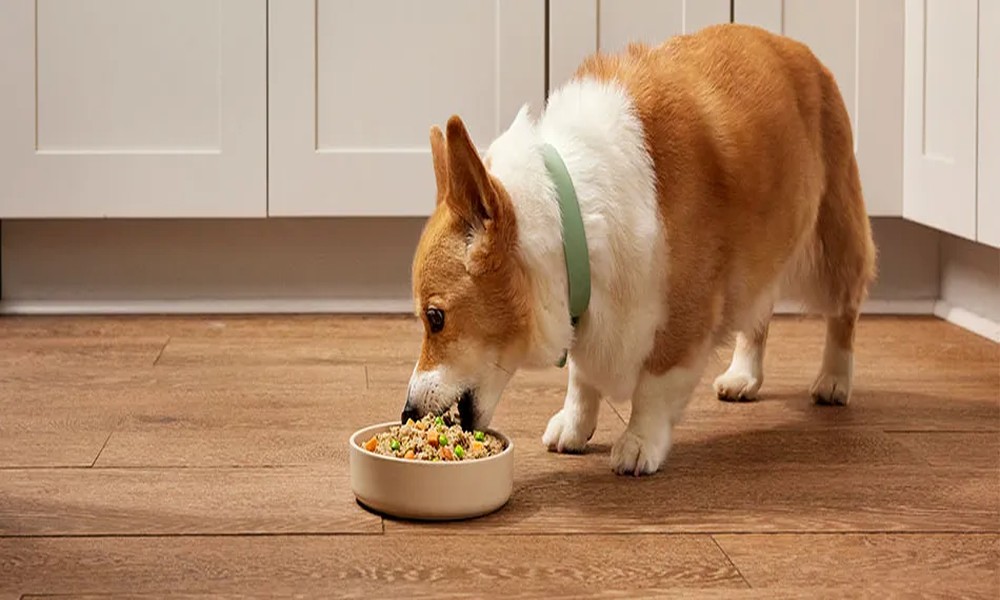
It’s a great question-and one that more pet parents are asking every day. As fresh dog food continues to grow in popularity, there are now more options than ever before.
But not all sources are created equal.
From online delivery services to local pet stores, each option comes with its own pros, cons, and considerations. In this guide, we’ll walk you through exactly where to buy fresh dog food-and how to choose the best option for your pup.
1. Online Fresh Dog Food Delivery Services
For many pet parents, this is the easiest and most popular way to buy fresh dog food.
Online services deliver pre-portioned, ready-to-serve meals directly to your door-often customized based on your dog’s specific needs.
Benefits:
- Personalized meal plans
- Convenient home delivery
- Pre-portioned servings
- Consistent quality and nutrition
Many of these companies use real, whole ingredients and gently cook their meals to preserve nutrients while ensuring safety.
For example, brands like Spot & Tango offer customized plans tailored to your dog’s weight, age, and activity level, making it easy to provide balanced meals without guesswork.
2. Pet Specialty Stores
Some brick-and-mortar pet stores now carry fresh or refrigerated dog food options.
These may include:
- Pre-packaged fresh meals
- Gently cooked refrigerated food
- Frozen fresh options
Benefits:
- Immediate availability
- Ability to browse in person
- Staff recommendations
Downsides:
- Limited variety compared to online services
- Less customization
- May require frequent store visits
If you prefer to see products before buying, this can be a good starting point.
3. Veterinary Clinics and Pet Nutrition Centers
Some veterinary offices and specialty pet nutrition centers offer fresh dog food or can recommend trusted brands.
Benefits:
- Professional guidance
- Diet recommendations based on health needs
- Access to specialized formulas
According to the American Veterinary Medical Association (AVMA), consulting with a veterinarian is one of the best ways to ensure your dog’s diet meets their specific nutritional requirements.
“Pet owners should work with their veterinarian to choose diets that are complete, balanced, and appropriate for their pet’s life stage.”
4. Local Meal Prep Services for Pets
In some areas, small businesses prepare fresh dog meals locally.
These services often focus on:
- Locally sourced ingredients
- Small-batch cooking
- Community-based distribution
Benefits:
- Support local businesses
- Fresh, minimally processed meals
- Potential for customization
Considerations:
- Availability may be limited
- Nutritional balance can vary
- Less standardization compared to national brands
If you go this route, it’s important to verify that meals meet established nutritional guidelines.
5. Grocery Stores (Limited Options)
Some higher-end grocery stores have started carrying fresh or refrigerated pet food.
However, options are typically:
- Limited in variety
- Not customized
- Less specialized
This can be a convenient option in a pinch, but it may not offer the same level of quality or personalization as dedicated fresh dog food providers.
What to Look for When Buying Fresh Dog Food
No matter where you buy from, not all fresh dog food is created equal.
Here’s what to look for:
1. Complete and Balanced Nutrition
Ensure the food meets standards set by organizations like AAFCO (Association of American Feed Control Officials).
2. Transparent Ingredient Lists
Look for recognizable ingredients such as:
- Real meat (chicken, beef, turkey)
- Vegetables (carrots, spinach, sweet potatoes)
- Whole grains or grain-free alternatives
Avoid vague terms like “meat by-products” or “animal digest.”
3. Proper Food Safety Practices
Fresh dog food should be:
- Properly cooked (if not raw)
- Stored refrigerated or frozen
- Packaged safely
The FDA emphasizes that proper handling and storage are essential to prevent contamination.
4. Customization Options
Dogs have unique needs based on:
- Age
- Breed
- Activity level
- Health conditions
Personalized meal plans can help ensure your dog gets the right nutrients in the right amounts.
5. Convenience and Consistency
Consider your lifestyle:
- Do you want home delivery?
- Are you comfortable storing fresh food?
- Do you prefer pre-portioned meals?
The best option is one you can stick with consistently.
Online vs In-Store: Which Is Better?
Both options have their place, but they serve different needs.
Choose online delivery if you want:
- Maximum convenience
- Personalized meal plans
- Consistent supply
Choose in-store options if you prefer:
- Immediate access
- Hands-on shopping experience
- Flexibility without subscriptions
For most pet parents, online delivery services offer the best balance of quality, convenience, and customization.
How Much Should You Expect to Spend?
Fresh dog food typically costs more than kibble, but pricing depends on your dog’s size and needs.
General pricing estimates:
- Small dogs: $2-$5 per day
- Medium dogs: $4-$8 per day
- Large dogs: $7-$12+ per day
While this is higher than traditional dog food, many owners consider it worthwhile for the improved quality and potential health benefits.
Tips for Getting Started
If you’re new to fresh dog food, here are a few tips to make the transition easier:
1. Start Gradually
Mix fresh food with your dog’s current food over 7-10 days to avoid digestive upset.
2. Monitor Your Dog’s Response
Look for improvements in:
- Energy levels
- Coat quality
- Digestion
3. Store Food Properly
Keep fresh meals refrigerated or frozen and follow feeding guidelines carefully.
4. Choose a Reliable Provider
Consistency and quality matter-especially when it comes to your dog’s nutrition.
Why More Pet Parents Are Choosing Fresh Dog Food
The shift toward fresh dog food reflects a broader trend: pet owners want better, more transparent nutrition.
According to the American Pet Products Association, spending on pet food continues to rise each year, with premium and fresh options driving much of that growth.
This isn’t just about trends-it’s about giving dogs food that more closely resembles real, whole meals.
Final Thoughts: Where Should You Buy Fresh Dog Food?
So, where can you buy fresh dog food?
You have several great options:
The best choice depends on your dog’s needs-and your lifestyle.
For many pet parents, online services stand out for their convenience, customization, and consistency. But no matter where you buy, the key is choosing high-quality, balanced meals that support your dog’s long-term health.