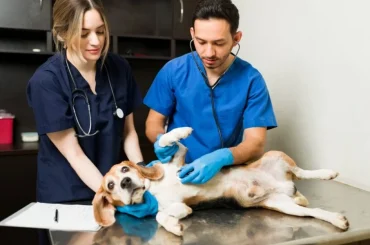
You might be feeling pulled in two directions right now. On one side, there is relief that your pet made it through surgery. On the other, there is a fresh wave of worry, because recovery can feel uncertain, slow, and full of questions. Will the incision heal well? Is that behavior normal? Are you doing enough at home? If that sounds familiar, you are not overreacting. The days after surgery often matter just as much as the procedure itself, which is why Animal Hospitals Are Indispensable For Surgical Recovery comes down to one simple truth. Your pet needs skilled follow-up care, careful monitoring, and a team that can respond when healing does not go as planned, including support from a veterinarian in Radford, VA.
Recovery is rarely just about rest. It is about pain control, infection prevention, wound management, nutrition, movement limits, and knowing when a small change is actually a warning sign. An animal hospital helps connect all of those pieces, so you are not left guessing when your pet is at their most vulnerable.
Why Can Surgical Recovery Go Off Track So Easily?
After surgery, pets do not understand why they need to slow down. A dog may try to jump on the couch the same night they get home. A cat may hide pain so well that you do not notice a problem until it has grown worse. Because of this tension, you might wonder if home care alone should be enough. Sometimes it is, but only when it is guided by a medical team that knows what to watch for and when to step in.
Pain is one of the biggest reasons recovery can stall. When pain is not managed well, pets may refuse food, avoid walking, lick at their incision, or become withdrawn. That can lead to dehydration, delayed healing, and more stress for both of you. Animal hospitals monitor pain in ways that are hard to match at home, and they can adjust medications based on your pet’s response rather than relying on a one-size-fits-all plan.
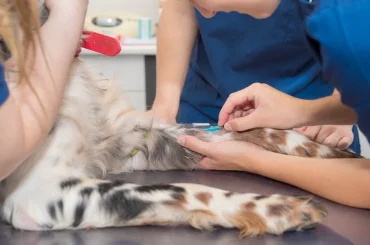
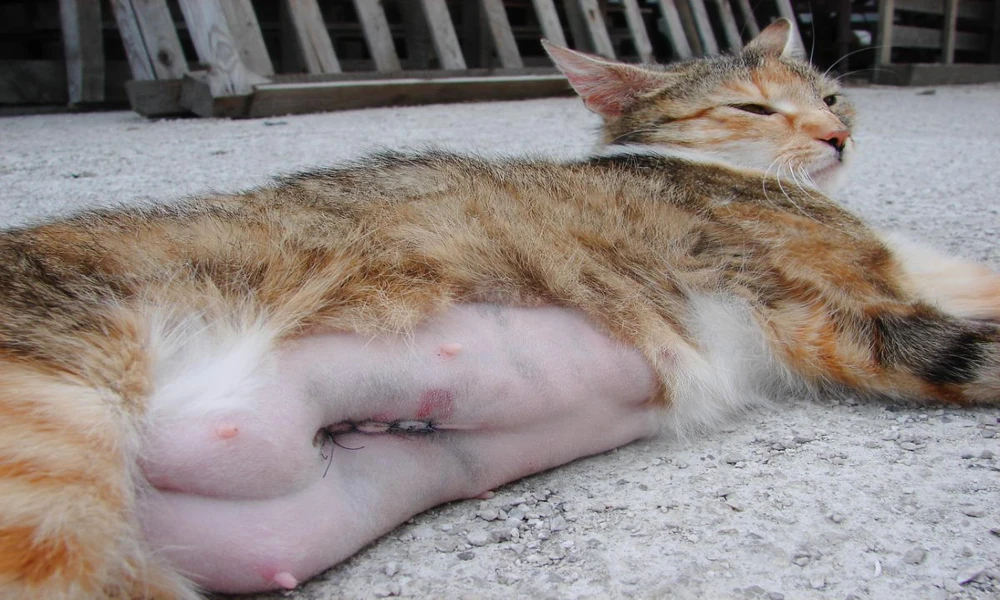
Then there is the risk of infection. Surgical sites need a clean environment, proper bandage care when needed, and close observation for swelling, discharge, odor, or heat. Guidance from Washington State University’s small animal surgery team shows how much careful postoperative oversight shapes outcomes. Recovery is not passive. It is active medical support.
What Does An Animal Hospital Provide That Home Care Cannot?
Home is important. Your pet is calmer there, and your attention matters more than you may realize. Still, a hospital offers layers of protection that most homes simply cannot. If your pet has trouble waking fully, struggles to eat, develops breathing changes, or pulls at sutures, trained staff can respond fast. That speed can prevent a manageable issue from becoming an emergency.
There is also the question of safe recovery standards. Professional care settings follow structured protocols for monitoring, handling, sanitation, and pain relief. Guidance such as these post-procedural care guidelines from Kansas State University reflects a broader principle that animals heal best when observation is consistent, and discomfort is addressed early.
So, where does that leave you? It means a veterinary hospital for post-surgery care is not just a place for the operation itself. It is where recovery plans are built, adjusted, and supported. That support can be the difference between a smooth healing period and a painful setback.
How Does Professional Surgical Recovery Support Compare To Home Only Care?
It helps to see the difference clearly, especially when you are trying to balance worry, time, and cost. The goal is not to dismiss home care. The goal is to show why post-surgical pet recovery works best when home and hospital care support each other.
| Recovery Need | Home-Only Care | Animal Hospital Support |
|---|---|---|
| Pain monitoring | Based on visible behavior, which pets may hide | Clinical assessment with medication changes if needed |
| Incision checks | Limited to what you can see | Trained evaluation for swelling, infection, fluid buildup, or suture problems |
| Activity restriction | Hard to enforce, especially with active pets | Guidance, recheck plans, and support if healing is delayed |
| Complication response | May involve waiting and uncertainty | Fast intervention if symptoms change |
| Nutrition and hydration | Depends on appetite and owner observation | Medical support if nausea, poor intake, or dehydration develop |
In real life, this often looks simple at first. A pet seems sleepy, then skips two meals. An incision looks fine, then becomes red by morning. A bandage slips. A dog who seemed calm suddenly starts licking nonstop. These are the moments when an animal hospital becomes indispensable, because small problems rarely stay small without proper help.
What Can You Do Right Now To Protect Your Pet’s Recovery?
1. Follow the discharge plan exactly.
Even when your pet seems better, do not stop medications early or allow normal activity too soon. If instructions feel unclear, ask for plain language explanations. You should know what is normal, what is not, and when to call.
2. Check the incision and behavior every day.
Look for redness, swelling, discharge, odor, or opening at the site. Watch for pacing, hiding, shaking, panting, vomiting, loss of appetite, or reluctance to move. These changes can signal pain or a complication before the incision itself looks alarming.
3. Keep recheck appointments, even if your pet seems fine.
This step is easy to skip, especially when life is busy, and your pet appears back to normal. But healing under the surface may not match what you see at home. Rechecks give your veterinary team a chance to catch trouble early and confirm that recovery is truly on track.
When You Are Carrying The Worry, Who Helps Carry The Recovery?
You do not have to manage every part of this alone. Surgery can leave you feeling responsible for every movement, every meal, and every odd sound your pet makes. That is a heavy place to be. The good news is that healing does not rest on your shoulders alone when you have the support of an animal hospital. With the right medical follow-up, clear instructions, and timely care, your pet has a stronger path back to comfort and stability.
If your pet is facing surgery or is already in recovery, reach out to a trusted animal hospital and ask what follow-up support is available. The right care now can spare your pet pain and give you peace of mind when you need it most.