Training a stubborn pup can feel hard. Some dogs ignore basic commands. Others refuse rewards with little interest. This makes progress slow and frustrating. But patience and the right approach help. A picky eater needs extra care and thought. The right reward can change behavior fast. So, finding the perfect treat matters a lot. It builds trust and creates strong habits.
Understanding Why Dogs Become Picky
Some dogs develop picky habits early in life. They may get too many food choices. Others may feel stress during feeding time. This creates a lack of interest in rewards. The dog may also dislike certain textures or smells. So, the issue is not always stubbornness. Sometimes it is about comfort and preference. A dog with low activity may also eat less. This reduces excitement during training sessions.
Choosing the Right Texture and Flavor
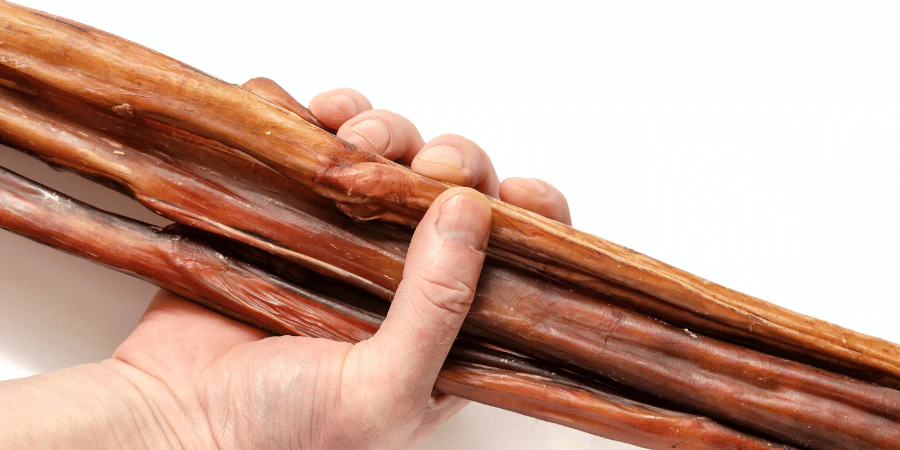
Dogs respond strongly to smell and taste. Soft treats often work better for training. Hard treats may slow down the process. So, training becomes less effective over time. The flavor must also match the dog’s liking. Some dogs prefer meat-based options. Others enjoy mild and simple flavors.
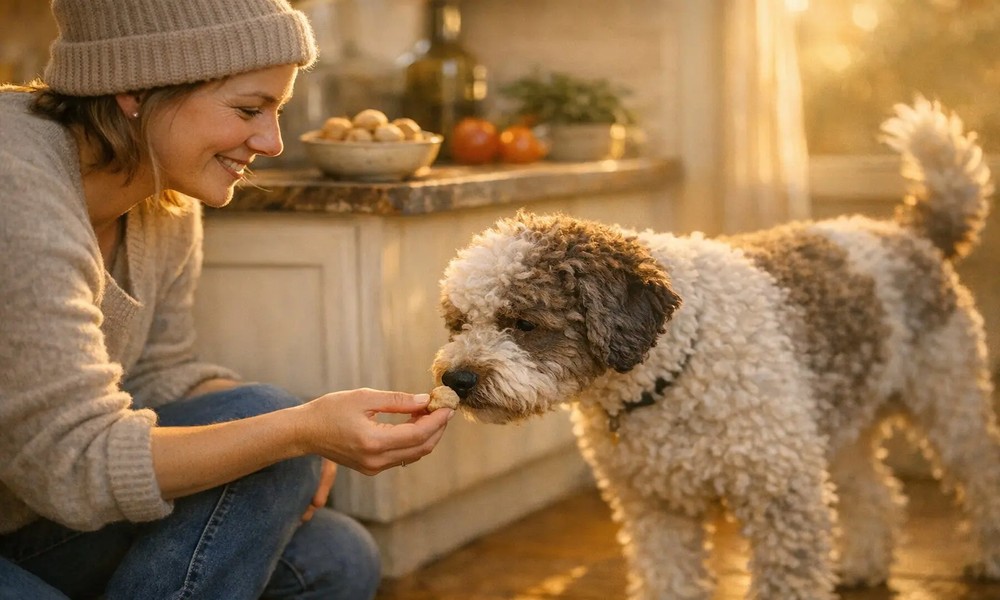
The owner should test different types slowly. Try one option at a time. This avoids confusion during learning. Sometimes warming the treat releases stronger aroma. This can increase the dog’s interest quickly. The right combination builds positive reactions during practice.
Timing and Reward Value Matters
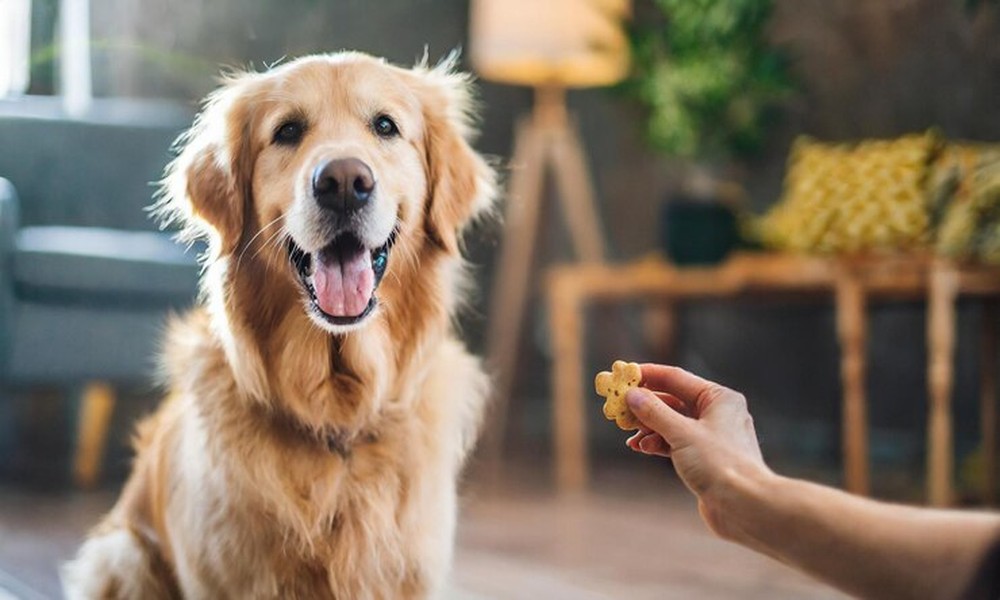
Timing is key in any training routine. The treat must come right after the action. This helps the dog connect reward with behavior. A delay can confuse the learning process. So quick delivery is very important. The value of the treat also matters. A high value reward keeps the dog engaged longer.
Use special treats only during training time. This increases their importance for the dog. The dog will respond with more focus and energy. Sometimes mixing treats can also help maintain interest. But keep choices limited to avoid distraction.
Creating a Positive Training Environment
A calm setting helps the dog stay focused. Loud noise can break concentration quickly. This improves learning speed and comfort. The trainer must also stay calm and patient.
Short sessions work better than long ones. The dog stays alert and interested. So, progress becomes steady and clear. Praise also plays a big role in success. Combine treats with gentle voice and gestures. This builds a strong emotional connection.
Experimenting to Find the Perfect Treat
Every dog is different in taste and response. So, finding the right reward takes time. The owner must stay patient and observant. Try new options in small amounts first. Watch the dog’s reaction carefully each time. A strong response shows clear preference.
Eventually the best choice will stand out. That becomes one of the favorite dog training treats for that pup. This treat will motivate faster learning and better focus. Sometimes switching treats keeps excitement alive. But always return to the trusted favorite when needed.
Conclusion
Training a picky dog needs patience and care. The right treat makes a big difference. It creates motivation and builds trust over time. The owner must observe and adapt each step. Simple changes can bring strong results. A calm approach leads to better learning. So, stay consistent and focused every day. A happy dog learns faster and responds better.