You might be feeling like life split into two parts the day your pet was diagnosed. There was the ordinary rhythm you knew before, and then there was the new world of appointments, lab work, treatment plans, and questions that keep circling in your mind at night. If chemotherapy has been recommended by an animal hospital in Douglasville, GA, it makes sense if your first thought is not just, “Will this help?” but also, “Will my pet suffer through it?”
That fear is common, and it matters. One of the most important parts of cancer care in an Animal Hospital is not only treating disease, but protecting your pet’s comfort at every step. In many cases, veterinary hospitals use lower chemotherapy doses than those often used in human medicine, because the goal is usually to control cancer while preserving quality of life. That means careful monitoring, nausea control, pain support, calm handling, and treatment plans shaped around what your pet can truly tolerate.
Why does comfort matter so much during pet chemotherapy care?
When people hear the word chemotherapy, they often picture severe side effects, long days, and a pet who no longer seems like themselves. Because of that, many families feel torn. You want more time, but not at the cost of your companion’s peace. So, where does that leave you?
In veterinary medicine, comfort is not treated as an extra. It is part of the plan from the beginning. Teams look at appetite, energy, bathroom habits, sleep, pain, anxiety, and how your pet acts at home. Those details help guide choices about drug type, dose, timing, and supportive medications. A dog who gets carsick on the way to visits may need anti nausea medicine before leaving home. A cat who becomes fearful in new spaces may do better with low stress handling and shorter appointments.
This is one reason many oncology services explain quality of life so clearly. The oncology team at NC State Veterinary Hospital outlines how treatment is tailored to the patient, with comfort and daily function as key goals. That approach helps families understand that cancer treatment is not just about extending time. It is about protecting the good parts of that time.
How do veterinary hospitals make chemotherapy visits less stressful?
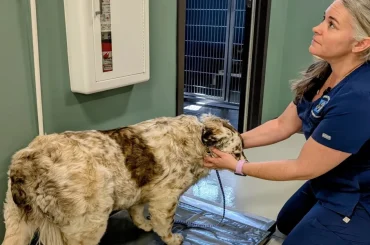
Comfort starts before the drug is ever given. Veterinary hospitals often reduce stress by spacing appointments well, using quiet treatment areas, and teaching staff to read body language closely. If your pet is restless, nauseated, or painful, that is not brushed aside. It is information.
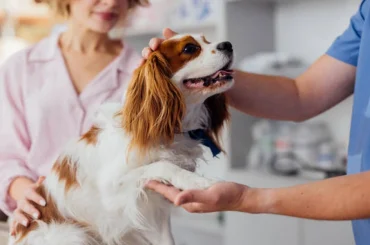
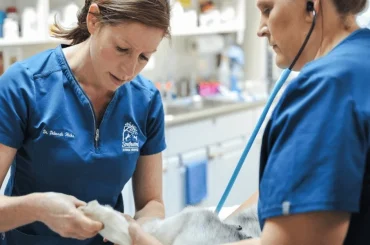
During treatment, the team may place soft bedding, offer gentle restraint, and keep visits as predictable as possible. Some pets do better when their owner stays nearby for part of the visit. Others settle more easily in a calm treatment area with experienced technicians. If an IV drug is being used, staff watch closely for any sign of irritation or discomfort.
After treatment, comfort continues at home. You may receive instructions on appetite changes, stomach upset, tiredness, and what should prompt a call. The University of Tennessee oncology welcome packet is a good example of how hospitals prepare families for the practical side of care, including what to expect and when to report side effects. That kind of guidance can lower panic because you know what is normal and what is not.
What side effects are most common, and how are they managed?
Most pets tolerate chemotherapy support for pets better than many people expect, but that does not mean side effects never happen. The most common concerns are stomach upset, reduced appetite, tiredness, and, in some cases, a drop in white blood cells that can raise infection risk. Certain breeds or coat types may also have some hair thinning, though complete hair loss is less common in pets.
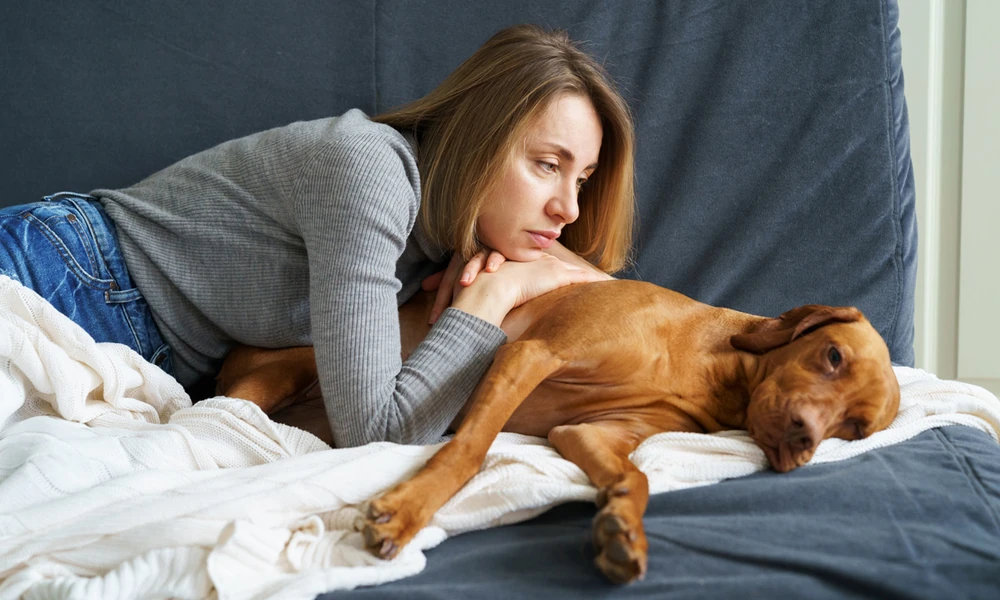
What if your dog skips dinner after treatment, or your cat hides more than usual the next day? Those changes matter, even if they seem small. Veterinary hospitals often respond with anti nausea drugs, appetite support, fluid therapy, pain control, or dose changes at the next visit. The goal is not to push through misery. The goal is to adjust early and keep your pet feeling like your pet.
What practical comfort measures should you expect from a veterinary hospital?
It can help to see how the focus on comfort shows up in daily care. The table below compares common concerns with the support many hospitals provide during veterinary chemotherapy comfort care.
| Common concern | How it may look at home | Comfort measure from the hospital |
|---|---|---|
| Nausea or stomach upset | Skipping meals, lip licking, vomiting, loose stool | Anti nausea medication, diet guidance, follow up calls, fluid support if needed |
| Stress during visits | Shaking, panting, hiding, resisting handling | Quiet rooms, gentle handling, shorter visits, pre visit calming plans |
| Pain or soreness | Less movement, guarding, whining, hiding | Pain medication review, exam before treatment, changes to the plan if needed |
| Low energy after treatment | Sleeping more, less interest in play | Dose adjustments, bloodwork checks, timing changes, home monitoring advice |
| Family uncertainty | Worry about what is normal and what is urgent | Written discharge instructions, direct contact guidance, recheck planning |
What can you do right now to help your pet feel safer and more comfortable?
1. Track the small changes. Write down appetite, water intake, bathroom habits, energy, and any vomiting or diarrhea. Small shifts often tell the oncology team more than one dramatic event. If your pet seems “just a little off,” that is still worth reporting.
2. Ask about comfort before the next visit. If car rides are hard, if your pet gets anxious in waiting rooms, or if the last treatment led to nausea, say so early. A good animal hospital can often change timing, add medications, or build a lower stress plan.
3. Focus on quality of life, not perfection. Look at the moments that matter to your pet. Are they still greeting you, eating favorite foods, resting well, and enjoying some part of the day? Those signs help you and your care team make grounded choices instead of fear driven ones.
When you are trying to do the right thing, what should you remember?
You do not have to choose between treatment and compassion. In many cases, veterinary hospitals provide both, with thoughtful monitoring and steady adjustments meant to protect comfort during chemotherapy. If you are weighing options, ask how the hospital handles nausea, pain, stress, follow up, and quality of life checks. Those answers will tell you a lot.
Your pet does not need a perfect journey. They need care that sees them clearly, responds quickly, and keeps their comfort at the center of every decision.