You might have noticed it while brushing your pet, or maybe it showed up all at once, a bare patch near the tail, around the ears, or along the belly. Before that moment, your dog or cat looked fine. After it, every little change can start to feel loaded. Is it allergies, stress, infection, hormones, or something more serious? That uncertainty is often the hardest part, and speaking with a veterinarian in Kemah, TX can help you understand what to do next.
When How General Veterinarians Evaluate Hair Loss In Specific Areas comes up, the process is usually more thoughtful than many people expect. A general veterinarian does not just look at the missing fur and guess. They look at the pattern, the skin underneath, the pet’s age, itch level, health history, and whether the hair is broken, easy to pull out, or simply not growing back. In many cases, that careful first evaluation is what points the whole case in the right direction.
Why does hair loss in one area matter more than it seems?
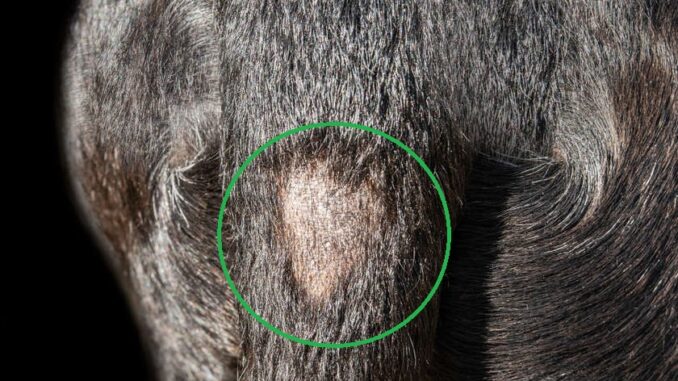
Hair loss in pets is not one single problem. It is a sign, and signs need context. A bald patch on the neck might point to friction from a collar, but a thin area over the lower back may raise concern for flea allergy. Hair loss around the eyes or mouth can suggest mites, infection, or immune related skin disease. Because of that, localized alopecia evaluation often starts with one basic question. Is this skin problem causing the hair loss, or is the hair loss happening because the hair cycle itself is off?
That distinction matters. If your pet is itchy, chewing, licking, or rubbing, a veterinarian may first think about parasites, allergies, or infection. If your pet is not itchy at all, the list shifts. Hormonal disease, breed related conditions, pressure points, and some autoimmune disorders start to move higher on the list. You can see how one small patch can lead to very different paths.
So, where does that leave you? Usually at the start of a step by step process, not at the end of one.
How do general veterinarians examine patchy hair loss without jumping to conclusions?
A general veterinarian often begins with a close physical exam and a detailed history. When did you first notice it? Has it spread? Is your pet scratching? Has there been a new shampoo, diet, medication, collar, or stressor at home? These details may sound simple, but they help narrow the causes of patchy hair loss in pets faster than people expect.
Next comes the skin exam itself. The veterinarian looks for redness, scale, odor, darkening of the skin, crusts, broken hairs, and signs of self trauma. They may use tests such as skin scrapings for mites, cytology to look for yeast or bacteria, flea combing, fungal testing, or a trichogram, which is a close look at hairs under the microscope. If the case is less clear, a biopsy may be recommended. Cornell’s overview of dermatopathology testing and interpretation shows how tissue samples can help sort out inflammatory, hormonal, and follicular diseases.
In some pets, the pattern itself offers clues. Symmetrical hair loss without much itch may lead a veterinarian to think about endocrine disease or a hair cycle disorder. For example, some dogs develop a condition discussed in this Alopecia X review, where the coat changes in a recognizable way even though the pet may feel otherwise normal. In other cases, uneven bald spots with crusting or redness suggest infection, ringworm, or mites instead.
What common causes do veterinarians compare when one area loses hair?
There is no single checklist that fits every pet, but the comparison below can help you understand how a general veterinarian thinks through the problem.
| Finding | What it may suggest | Common next step |
|---|---|---|
| Very itchy, especially near tail base | Flea allergy or other allergic skin disease | Flea control review, skin infection check, itch plan |
| Circular patch with scale or broken hairs | Ringworm, mites, trauma | Fungal testing, skin scraping, hair exam |
| Hair loss with odor, redness, greasy skin | Bacterial or yeast infection | Cytology and targeted treatment |
| Non itchy thinning on both sides of body | Hormonal or hair cycle disorder | Bloodwork, endocrine screening, pattern review |
| Hair missing where pet licks often | Pain, allergy, anxiety, or skin irritation | Find the trigger, treat skin and underlying cause |
If your pet’s case becomes more complex, veterinarians may also refer to teaching resources such as the University of Florida’s small animal dermatology notes, which outline the many ways skin disease can mimic itself. That is why treatment based on guesswork can waste time and money. One shampoo or home remedy may soothe one cause while making another harder to identify.
What can you do right now if your pet has hair loss in a specific area?
1. Take clear photos and track changes.
Use good lighting and take one photo up close and one from farther back. Do this every few days. Note itching, licking, odor, scabs, or whether the patch is growing. This gives your general veterinarian a timeline, and timelines often reveal patterns.
2. Avoid random treatment before the exam.
It is tempting to try over the counter creams, medicated baths, or internet advice right away. But some products irritate damaged skin, and some can affect test results. If the area is worsening fast, call your veterinary clinic before applying anything new.
3. Check parasite control and book an exam.
Even indoor pets can have parasite related skin disease. Make sure flea prevention is current and used correctly, then schedule a visit with a general veterinarian. A routine exam is often the best first step in hair loss evaluation, especially when the pattern is new or unexplained.
When should you feel more urgency about hair loss in pets?
If the skin looks raw, painful, infected, or suddenly widespread, do not wait. The same goes for pets that seem lethargic, are drinking more, losing weight, or showing other body changes along with the hair loss. Those clues can point beyond the skin. And if your pet is uncomfortable enough to keep scratching through the night, that deserves prompt care too.
Most of the time, a bare patch does not mean the worst case scenario. It does mean your pet needs a careful look, because the cause is not always obvious from the surface. With a thoughtful exam, basic testing, and a clear plan, a general veterinarian can often sort out whether the issue is minor, recurring, or something that needs a deeper workup.
You do not have to solve it alone. If your pet has unexplained hair loss in a specific area, schedule a visit with a general veterinarian and get a proper evaluation started.