You might have noticed it slowly. A tighter collar, less energy on walks, more panting after play, or a cat that seems less willing to jump where they used to. At first, it can feel easy to brush off. Then the worry starts to build, because you know extra weight is not just about looks. It can affect comfort, mobility, and long term health. If that sounds familiar, you are not overreacting. A veterinarian in South Houston, TX can help, because weight changes in pets can be hard to judge at home, and feeding choices can get confusing fast.
The good news is that How Vet Clinics Provide Tailored Nutrition And Weight Management Plans is not guesswork. A veterinary clinic can assess your pet’s body condition, medical history, lifestyle, and eating habits, then build a plan that is realistic, safe, and easier to follow day by day. When that happens, you are not left wondering whether you are feeding too much, too little, or the wrong thing. You have a path.
Why can pet weight gain feel so confusing even when you are trying your best?
Most people do not overfeed out of neglect. They do it out of love. Treats become part of bonding. Table scraps feel harmless. Portion sizes creep up because your pet still seems hungry, or because different people in the house feed without realizing how quickly it adds up. Because of this, you might wonder how a pet can gain weight even when life at home seems normal.
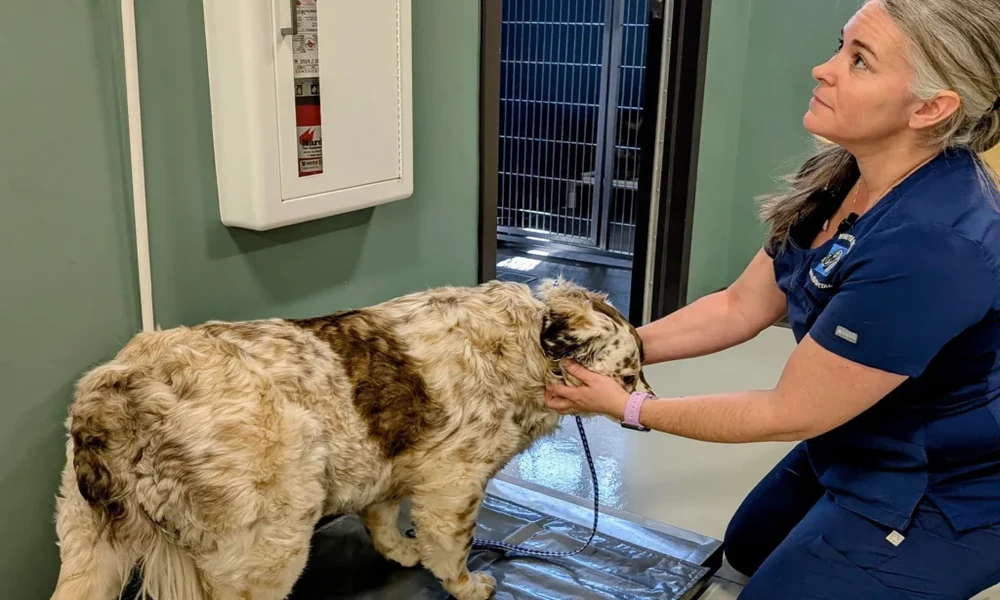
That is where a clinic’s role becomes so useful. A veterinarian does not just look at the number on the scale. They look at body condition score, muscle mass, breed tendencies, age, activity level, and any health issue that could affect appetite or metabolism. Conditions like arthritis, thyroid disease, diabetes, and digestive trouble can all shape what your pet needs. A proper plan for pet nutrition and weight management starts with that bigger picture.
In some cases, the issue is not only excess calories. It may be the wrong nutrient balance, low activity because of pain, or a feeding routine that does not fit your pet’s age and health. Veterinary nutrition services at places like Cornell University’s nutrition service and the University of Minnesota’s nutrition program show how detailed these assessments can be, especially for pets with medical needs.
What does a tailored feeding plan from a veterinary clinic actually include?
When people hear “diet plan,” they often think of a bag of food and a strict feeding chart. In practice, a personalized pet diet plan is much more thoughtful than that. It usually begins with measuring your pet’s current weight, ideal weight, body condition, and calorie needs. Then the clinic reviews current food, treats, supplements, meal timing, exercise, and any symptoms you may have noticed.
So, where does that leave you? Usually with a plan that feels specific rather than generic.
Your pet’s veterinarian may recommend a therapeutic food, a change in portion size, more protein or fiber, fewer calorie dense treats, or a different meal schedule. For some pets, wet food helps with fullness. For others, puzzle feeders slow eating and reduce begging. If a pet has joint pain, the exercise plan may start small so they can move more without discomfort. That is what tailored nutrition plans for pets are meant to do. They fit real life, not just textbook advice.
This kind of support also matters financially. Trying multiple foods on your own, adding supplements without guidance, or waiting until obesity leads to more serious illness can become costly. A structured plan often helps you avoid waste and catch health concerns earlier.
Should you manage your pet’s weight at home or work with a veterinary clinic?
Some pets only need small routine changes. Others need closer oversight, especially if they are older, have a medical condition, or need to lose weight safely over time. A side by side view can help make that clearer.
| Approach | What It Looks Like | Potential Benefit | Common Risk |
|---|---|---|---|
| Home only changes | Reducing food by eye, switching treats, adding walks | Simple and easy to start | Portion errors, missed medical issues, weight loss that is too fast or too slow |
| Veterinary clinic guidance | Exam, body condition scoring, calorie targets, follow ups | Safer and more precise plan | Requires appointments and consistency |
| Specialized veterinary nutrition support | Custom plan for obesity, diabetes, kidney disease, allergies, or other conditions | Useful for complex cases and long term disease support | May take more time to adjust and monitor |
One example many pet owners face is the “healthy looking” dog who is actually carrying enough extra weight to strain the joints. Another is the indoor cat who seems content but has gradually become less active and more prone to urinary or mobility issues. In both cases, the problem can stay hidden until it affects quality of life. A veterinary clinic can help spot those patterns earlier.
What can you do right now if you think your pet needs help?
1. Write down everything your pet eats.
For three to five days, track meals, treats, chews, scraps, and supplements. Include who fed them and when. Many people find the real issue here. Not because they were careless, but because feeding often happens in small moments that are easy to forget.
2. Ask for a body condition and calorie review.
At your next visit, ask your veterinarian to assess body condition score, ideal weight, and daily calorie needs. This gives you a starting point that is based on your pet, not a general chart on the food bag.
3. Build one change you can actually keep.
Do not try to change everything at once. Choose one step you can sustain, such as measuring meals with a cup, replacing high calorie treats, or adding a short daily walk or play session. Small changes done consistently usually work better than a strict plan that falls apart in a week.
How do tailored nutrition and weight management plans help pets feel better over time?
When a plan is done well, the goal is not just weight loss. It is better movement, steadier energy, less strain on the body, and a feeding routine that supports health instead of working against it. That can mean easier walks, more play, better comfort, and fewer setbacks tied to preventable weight gain.
If you have been feeling unsure, that makes sense. Food is emotional, and caring for a pet often means sorting through mixed advice. Still, you do not have to figure it all out alone. A veterinary clinic can help turn concern into a clear plan, one that respects your pet’s needs and your daily life. If something feels off, schedule a visit and ask about a personalized nutrition and weight management plan for your pet.