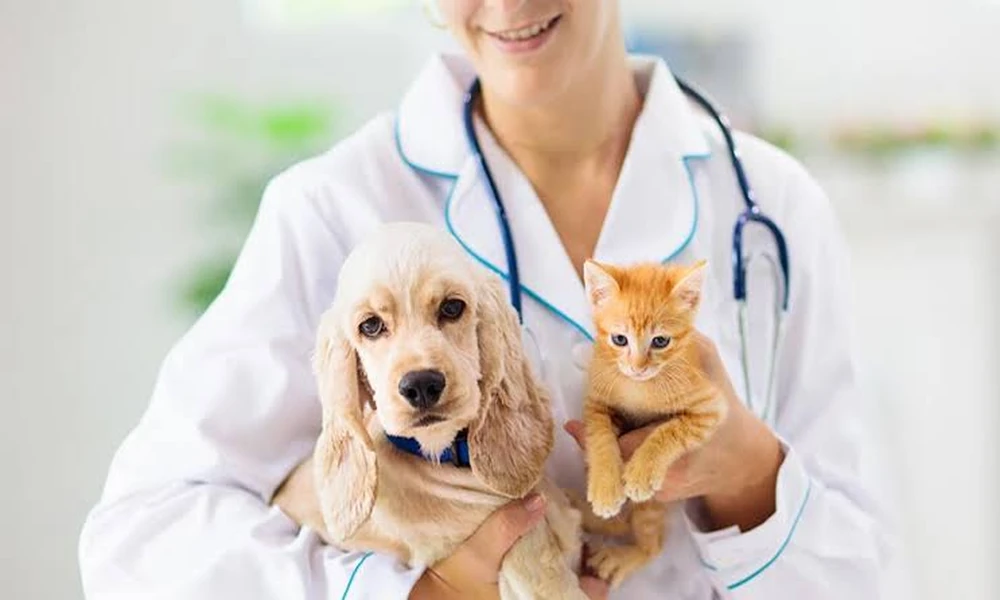
You bring your pet home after a stay at an animal hospital in Monterey Park, CA, set the medication on the counter, and suddenly the discharge instructions feel heavier than they did in the exam room. The bandage looked simple when the nurse changed it. The feeding plan sounded clear when the veterinarian explained it. At home, with a tired pet and a worried mind, simple steps can turn into second guessing fast.
That is why demonstrating home care skills before discharge matters so much. Written instructions help, but hands on teaching closes the gap between hearing and doing. When a veterinary team shows you how to give medication, clean an incision, use a cone, lift your pet safely, or spot early warning signs, you are less likely to make avoidable mistakes. Pet discharge teaching protects your pet’s recovery, reduces stress at home, and can prevent an unnecessary return visit to the animal hospital.
Hands On Discharge Training Prevents Common Pet Care Errors
Most mistakes in home care are not caused by neglect. They happen because people are overwhelmed, rushed, or afraid of hurting their pet. You may be trying to remember whether the pill goes with food, whether the incision should look pink or red, or how tight a bandage should be. If your pet squirms, cries, or hides, even calm owners can freeze.
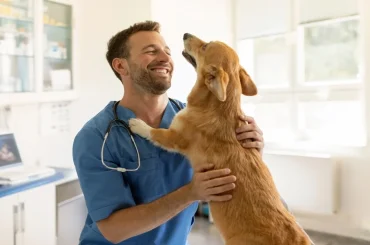
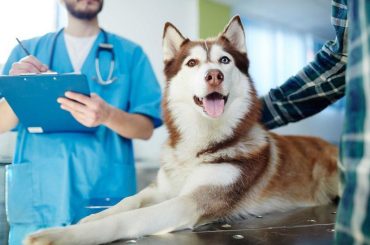
A live demonstration lowers that risk. Watching a technician place a bandage wrap, draw up liquid medication, or guide a pet into a safe resting position gives you a visual reference that paper alone cannot provide. Better yet, when you repeat the skill in the hospital before going home, the team can correct small errors right away. That one moment of practice can stop days of trouble.
Medication errors are one of the clearest examples. A missed dose can slow healing. A double dose can cause harm. Giving a tablet the wrong way can lead to choking, vomiting, or a full dose ending up on the floor. Demonstration helps you learn the right grip, the safest position for your pet, and what to do if the dose does not go as planned.
Wound care creates another problem area. Owners often assume a healing incision should look completely dry and pale. In reality, mild bruising or slight swelling may be expected, while heat, discharge, odor, or widening of the incision can signal trouble. A quick visual lesson from the veterinary team gives you a better sense of normal versus urgent.
This is especially true after surgery, dental procedures, illness, or injury. The more care your pet needs at home, the more valuable home care instruction for pets becomes. If your pet has a chronic condition, discharge teaching also supports long term success. The clinical guidance in the Small Animal Medicine handbook reflects how many details can shape recovery, from dosing to monitoring to follow up care.
Demonstration Builds Confidence When Stress Is High
You are not only learning a task. You are trying to care for an animal you love while worrying that one mistake could set them back. That pressure changes how people process information. They forget steps, mix up times, and overlook signs that seem small until they are not.
Demonstration slows the moment down. It gives you a chance to ask the questions that usually surface after the drive home. What if my dog spits out the pill. What if my cat will not leave the cone on. What if the incision looks worse at night. Those are not minor concerns. They are the exact concerns that shape whether home recovery goes smoothly.
There is also a safety angle. Some pets need restricted movement, crate rest, special feeding positions, or emergency planning after discharge. The CDC offers useful guidance on pet emergency preparedness, and that mindset matters during recovery too. If you know what supplies to keep close, what warning signs require a call, and how to transport your pet if things change, you are better prepared for the first rough night at home.
Discharge Demonstration Versus Written Instructions Alone
| Home Care Approach | What Usually Happens | Likely Result |
|---|---|---|
| Written instructions only | Owner reads steps later while stressed or distracted | Higher chance of missed doses, poor bandage care, or confusion about warning signs |
| Verbal instructions only | Owner remembers parts of the conversation but forgets sequence | Partial understanding and inconsistent follow through |
| Demonstration by veterinary staff | Owner sees the skill performed clearly in real time | Better understanding of technique and expectations |
| Demonstration plus owner return practice | Owner performs the task before discharge and gets corrected if needed | Best chance of safe, confident home recovery |
This is why demonstrating pet care skills before discharge is more than a nice extra. It is one of the simplest ways an animal hospital can reduce preventable setbacks. It saves time, lowers anxiety, and often cuts the cost of complications that start with one misunderstood step.
Three Steps You Can Take Before Leaving the Animal Hospital
Ask for a live demonstration of every task you will do at home. Do not limit this to medication. Ask to see feeding, bandage checks, cone placement, crate setup, mobility support, or anything else tied to recovery. If you are expected to do it, you should see it done.
Practice the skill yourself before discharge. This matters more than nodding along. Hold the syringe. Wrap the bandage. Place the cone. Repeat the steps while a technician watches. A quick correction in the hospital is easier than a panicked guess at home.
Leave with a clear monitoring plan. Get exact dosing times, activity limits, feeding instructions, and a list of signs that mean call today versus seek urgent care now. If more than one person will help at home, make sure each person hears the same instructions.
Better Teaching Leads to Better Recovery at Home
When your pet comes home after treatment, you should not have to rely on memory and hope. Clear demonstrations turn confusing instructions into practical skills, and that can prevent mistakes in pet care before they start. A little extra time before discharge can protect healing, reduce fear, and help you care for your pet with more confidence. If your pet is going home with medications, wound care, mobility limits, or special feeding needs, ask the animal hospital team to show you every step before you leave.