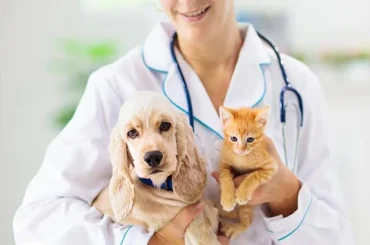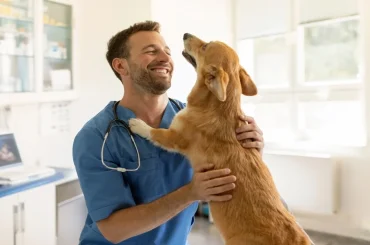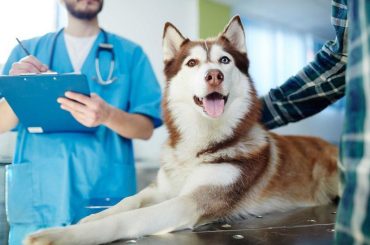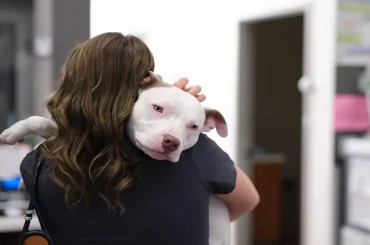
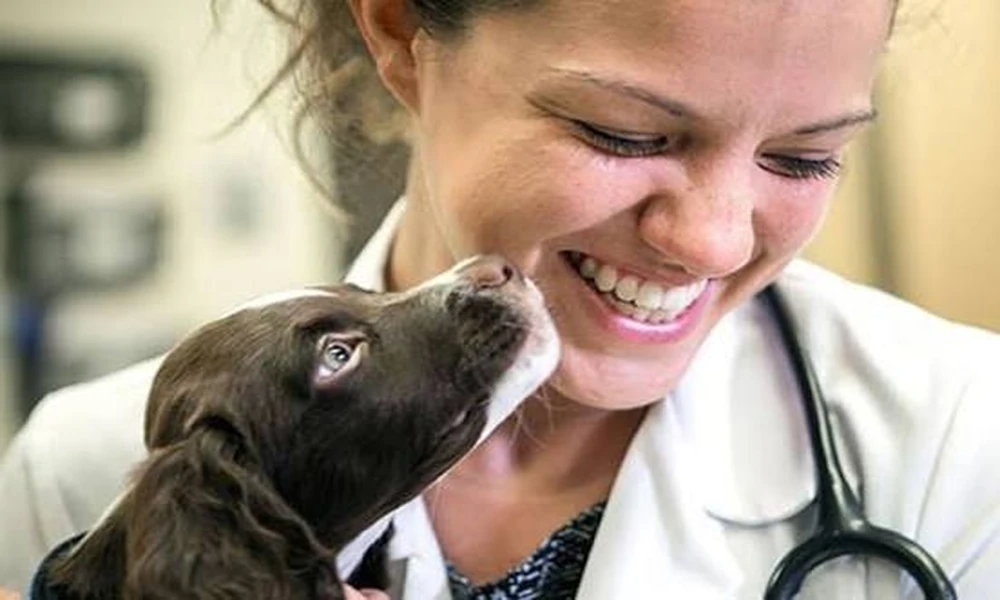
You might be seeing the happy part of pet adoption first: the photos, the first ride home, the excited updates, and still sense the harder truth underneath it. Many adopted pets arrive with unknown medical histories, stress-related behavior, or health issues that do not show up right away. Shelters and rescue groups carry that pressure every day, and adopters often feel it too. They want to do the right thing, but they also need clear guidance, fair costs, and a real plan from a veterinarian in Cape Coral. That is where animal clinics matter most. In simple terms, The Role Of Animal Clinics In Supporting Pet Adoption Programs is to make adoption safer, smoother, and more sustainable for pets, shelters, and families.
When a clinic works closely with a shelter or rescue, the result is not just a vaccinated pet or a completed exam. It is a stronger adoption process from start to finish. Clinics help identify illness early, manage pain, support spay and neuter efforts, educate adopters, and create follow-up care plans that lower the risk of returns. Because of this support, more pets have a real chance to stay in their new homes.
Why do pet adoption programs depend so much on animal clinics?
Adoption programs often work under strain. Space is limited, budgets are tight, and staff or volunteers may be caring for many animals at once. In that setting, even a small untreated problem can grow fast. A mild cough can spread. A skin issue can be missed. Dental pain can make a friendly dog seem withdrawn. If a pet goes home without proper screening or treatment, the adopter may face surprise costs and hard choices in the first few weeks.
So, where does that leave you? It means the clinic is not a side part of adoption. It is part of the foundation. An animal clinic can provide intake exams, parasite control, vaccinations, diagnostic testing, and treatment plans before adoption. That support gives shelters better information and gives adopters more confidence.
It also helps with compliance and standards of care. Guidance from the USDA on attending veterinarian responsibilities shows how important veterinary oversight is in organized animal care settings. For shelters and rescues, that oversight supports both animal welfare and public trust.
What problems can veterinary support solve before an adoption falls apart?
One of the biggest reasons adoptions struggle is the gap between what people expect and what the pet actually needs. A family may think they are adopting a healthy young cat, only to learn later that the cat has an upper respiratory infection, intestinal parasites, or untreated dental disease. None of that means the adoption was a mistake, but it can feel overwhelming when it appears all at once.
This is why veterinary support for adoption programs matters so much. Clinics help uncover those issues early, explain what they mean, and create a practical care plan. That changes the conversation from panic to preparation. Instead of, “What went wrong?” the adopter can ask, “What comes next?”
There is also the emotional side. Pets in shelters are often under stress, and stress can hide or worsen health issues. A shy dog may not eat well. A senior pet may mask pain. A kitten may seem playful while carrying a contagious illness. Clinics trained in shelter care understand that context. Resources from the University of Florida shelter medicine program reflect how health, behavior, and population care all connect in adoption settings.
How does an animal clinic add practical value to a pet adoption program?
Good intentions are not always enough. Adoption groups need systems that protect the pet and support the adopter after the excitement wears off. A clinic can help create vaccine protocols, treatment schedules, spay and neuter timelines, and post-adoption follow-up plans. It can also guide rescue groups on when a pet is ready for placement and when more care is needed first.
That kind of structure helps everyone. Shelters reduce disease spread. Adopters get fewer surprises. Pets move into homes with a better shot at long-term stability. And because a trusted animal clinic can explain likely costs and next steps early, families can make informed choices instead of rushed ones.
| Area of Support | Without Clinic Partnership | With Clinic Partnership |
|---|---|---|
| Pre-adoption health screening | Basic observation only; hidden issues may be missed | Physical exams, testing, and clearer medical records |
| Disease control | Higher risk of outbreaks in group settings | Vaccination plans, isolation guidance, and treatment protocols |
| Adopter confidence | More uncertainty about future care and costs | Better education, realistic expectations, and follow-up care |
| Long-term placement success | Higher chance of return due to untreated issues | Better health support and smoother adjustment at home |
What can you do right now to strengthen support for adopted pets?
1. Ask for a clear medical summary.
If you are adopting, fostering, or helping run a rescue, ask for the pet’s exam findings, vaccines, parasite treatment, medications, and any pending concerns in writing. A simple summary prevents confusion and helps the next clinic continue care without guesswork.
2. Build a first-week plan.
The first few days after adoption are often emotional and busy. Set the next steps before the pet goes home. That may include a follow-up exam, a feeding plan, behavior notes, and a list of warning signs to watch for. Small preparation now can prevent a crisis later.
3. Choose partnership over one-time treatment.
The strongest pet adoption programs do not just use a clinic for vaccines or surgery days. They build a working relationship. That allows the clinic to spot patterns, improve protocols, and support both urgent needs and long-term care. Whether you are a shelter, rescue, or adopter, ongoing veterinary connection makes a real difference.
What does all of this mean for the future of pet adoption?
At its best, adoption is not just about moving pets out of shelters. It is about helping them stay safe, healthy, and wanted once they arrive home. That is the heart of pet adoption clinic support. Animal clinics help bridge the gap between rescue and stability, and that bridge matters more than many people realize.
If you are trying to make adoption work well for pets and people, start with strong veterinary support and clear communication. A thoughtful animal clinic partnership can ease stress, reduce setbacks, and give each adoption a steadier start.