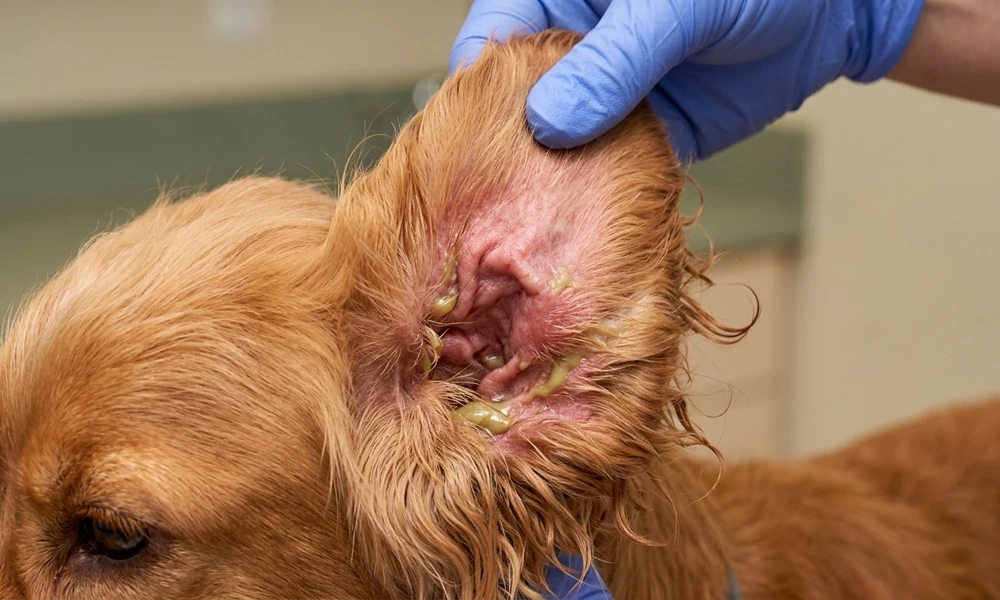
It often starts in a routine moment. You drop your dog or cat off for grooming, expecting a clean coat and trimmed nails, and then you get the call. Your groomer noticed a lump. Or a rash. Or ears that look red, dirty, and sore. In a second, an ordinary day feels different, and you may find yourself wondering whether this is minor, urgent, or something you should have seen sooner. In moments like these, contacting a veterinarian in Chicago Heights, IL can help you understand what to do next.
If that is where you are right now, take a breath. Groomers are often the first people to notice changes under the fur, especially in spots pet owners do not see clearly every day. The short version is simple. Do not panic, do not try to diagnose it at home, and do not ignore it. A prompt visit to an animal hospital can help sort out what is harmless, what needs treatment, and what should never wait.
Why would a groomer notice a lump, rash, or ear problem before you do?
It makes sense when you think about it. Groomers handle your pet from nose to tail, part the hair, clean around the ears, and work in bright light. They may feel a small bump while brushing, spot irritated skin under a mat, or notice a foul smell coming from the ears. That does not mean they are diagnosing a condition. It means they are flagging a change that deserves your attention.
Because of that, the first goal is not to decide what it is on your own. The first goal is to gather clear information. Ask where the groomer found it, what it looked or felt like, whether your pet reacted when touched, and if they noticed discharge, odor, bleeding, or swelling. If possible, ask for a photo. That small step can help you explain the issue when you call your veterinary team.
So, where does that leave you? In most cases, with a problem that should be checked soon, even if your pet seems fine. Some skin lumps are fatty and harmless. Some rashes come from allergies, moisture, parasites, or infection. Some ear issues are mild wax buildup, while others are painful infections that can worsen fast if left alone.
What should you not do while you wait for a veterinary visit?
This is the part many caring pet owners get wrong, and it comes from a good place. You want to help right away. Still, home treatment can muddy the picture or make things worse.
Do not squeeze, pop, or press on a lump. Even a small mass can bleed, become inflamed, or be painful. Do not apply human creams, peroxide, essential oils, or leftover pet medications to a rash unless your veterinarian tells you to. Cats in particular can react badly to products that seem harmless. Cornell offers a helpful overview of skin disorders in cats, and one takeaway is clear. Skin problems can look alike while having very different causes.
Ear problems are another area where good intentions can backfire. If the ear is red, painful, swollen, or has a bad odor, avoid deep cleaning at home unless your veterinary team advises it. Improper cleaning can push debris deeper and make a sore ear more painful. If your veterinarian later confirms it is safe to clean, Cornell has practical guidance on how to clean your dog’s ears.
When is it urgent, and when can it wait a day or two?
Not every finding is an emergency, but some signs should move you to the front of the line. If the lump is growing fast, bleeding, hot, or painful, call right away. If the rash is spreading quickly, oozing, or your pet is scratching nonstop, do not wait long. If the ear issue comes with head shaking, crying, balance changes, swelling, or a strong odor, your pet should be seen soon.
What if your pet seems normal otherwise? Even then, schedule a visit. A calm pet can still have an infected ear, a skin infection under the coat, or a mass that should be sampled. For stubborn or recurring skin issues, veterinary dermatology can be helpful, and Cornell explains how dermatology services can help sort out allergies, infections, and more complex skin disease.
Should you try home care first, or go straight to an animal hospital?
When a groomer finds a bump, skin irritation, or ear infection, a quick comparison can help you decide what is safe and what is risky.
| Situation | Common at home impulse | Risk of doing that | Better next step |
|---|---|---|---|
| Small lump under the skin | Watch it for weeks | Delays checking a mass that may need sampling | Book an exam and measure or photograph it |
| Red or itchy rash | Use human cream or shampoo | Can irritate skin more or hide the cause | Prevent licking and schedule a veterinary visit |
| Dirty, smelly ears | Clean deeply with cotton swabs | Pushes debris deeper and may hurt the ear canal | Call for guidance and have the ears examined |
| Open sore or draining area | Bandage tightly or apply peroxide | Can damage tissue and trap moisture | Keep the area clean and dry, then seek care promptly |
What can you do right now if your groomer found something concerning?
1. Get details and document what was found. Ask your groomer exactly where the issue is, what they noticed, and whether your pet reacted. Take clear photos at home in good light. If it is a lump, note the size and whether it feels soft, firm, or attached to the skin. This helps your veterinary team track changes.
2. Prevent more irritation. Stop your pet from licking, scratching, or rubbing the area if you can. Keep the skin dry. Skip baths, over the counter creams, and random ear products unless your veterinarian recommends them. With what to do after a groomer finds a rash or lump, less is often more until you know the cause.
3. Schedule the right kind of care. Call your veterinary clinic or local animal hospital and describe what the groomer found. Mention pain, odor, discharge, bleeding, rapid growth, or behavior changes. Those details help the team judge urgency and decide whether your pet needs a same day visit.
What is the bigger picture for pet owners after a grooming health alert?
A grooming appointment can sometimes become an early warning system, and that is a good thing, even if it rattles you at first. When your groomer spots a lump, rash, or ear problem, the best next step is calm, timely follow through. You do not need to solve it alone, and you do not need to assume the worst. You just need a clear plan.
Trust what was noticed, watch your pet closely, and get professional guidance before trying home fixes. That steady response can spare your pet pain and often makes treatment simpler, faster, and less costly. If your pet has been flagged for a skin issue, ear concern, or new mass, reach out to an animal hospital and get it checked. A small finding today is often much easier to handle than a bigger problem later.