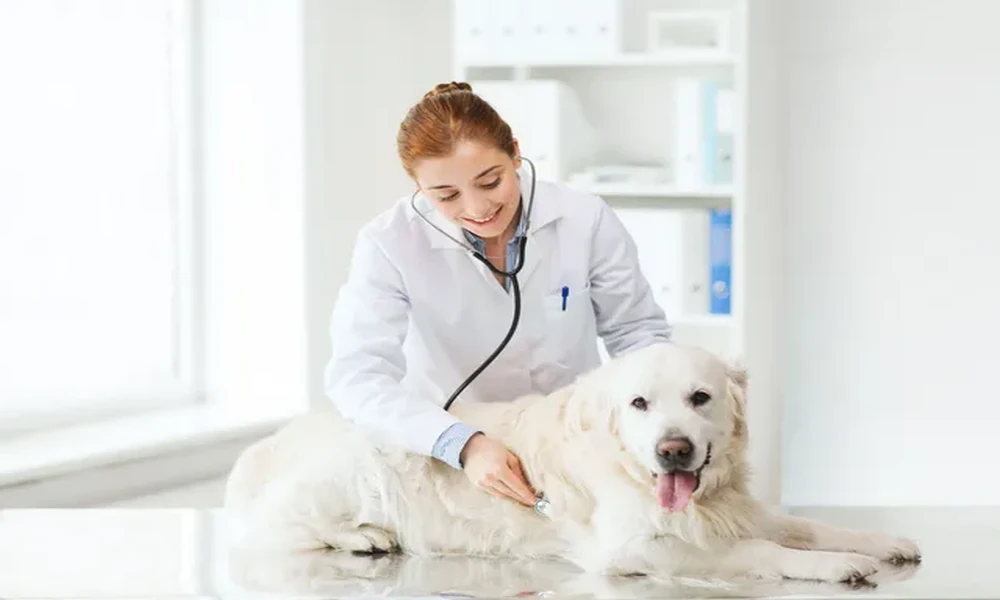
You might notice it most when something feels off. Your dog stops greeting you at the door. Your cat hides more than usual. Meals go untouched, walks get shorter, and the easy rhythm you share with your pet starts to feel strained. That shift can be upsetting, because pets are not just part of your routine. They are part of your home, your comfort, and often your sense of calm. When health problems enter the picture, the bond you share can feel tested. The good news is that an animal hospital in Bronte often does more than treat illness. It helps protect trust, improve communication between you and your care team, and support the connection that makes life with a pet so meaningful.
There is good reason that bond matters so much. Research from the NIH on the power of pets shows that animals can reduce stress, encourage activity, and support emotional well-being. Because of that, caring for a pet’s health is also a way of caring for the relationship itself. When your pet feels better, and when you feel informed instead of overwhelmed, that bond has room to grow again.
Why can a visit to an animal hospital change the way you and your pet connect?
It is easy to think of an animal hospital as a place for shots, tests, or emergencies. But the deeper value often shows up in the space between those tasks. A skilled veterinary team helps you understand what your pet is feeling, even when your pet cannot say it out loud. That matters more than many people realize.
When a pet is in pain, anxious, or dealing with an untreated condition, behavior often changes first. A playful dog may become distant. A gentle cat may swat or avoid touch. Owners sometimes take that change personally, or they worry they have done something wrong. In many cases, the issue is not the relationship at all. It is discomfort, fear, or illness getting in the way. Once treatment begins, many pets return to familiar habits, and owners often feel relief along with renewed closeness.
So, where does that leave you when you are trying to do right by your pet? It means care is not only about medicine. It is also about preserving trust. A good animal hospital gives you guidance on pain control, nutrition, behavior, follow-up care, and what to watch for at home. That kind of support can strengthen the bond between pets and owners because it helps you respond with confidence instead of guesswork.
What challenges can strain pet owner relationships when health issues arise?
Health concerns bring more than one kind of stress. There is the emotional side, where you may feel guilt for missing early signs or fear about what comes next. There is the practical side, where treatment plans, costs, and scheduling can feel like a lot to carry at once. Then there is the communication side, which is often overlooked. If you do not fully understand your options, it becomes harder to make decisions you can feel at peace with.
That is why clear expectations matter. Veterinary hospitals that respect client communication help owners feel included, not sidelined. The Virginia Tech Veterinary Teaching Hospital outlines client rights and responsibilities in a way that reflects a healthy care partnership. When you know you can ask questions, review options, and take part in decisions, the experience becomes less frightening. Your pet benefits from that calm, too.
Imagine a dog with chronic ear infections. Without a proper diagnosis, you may see only the surface problems: scratching, head shaking, and irritability. With hospital care, the cause may be traced to allergies, yeast, or another issue that needs a different treatment plan. Once that discomfort is addressed, your dog may become more affectionate and relaxed again. In that case, the human animal bond in veterinary care grows stronger because treatment removed a barrier that was hurting daily life.
How does professional veterinary care compare with waiting and watching at home?
There are times when rest and monitoring make sense, but there are also times when waiting creates more stress for both you and your pet. A simple comparison can help.
| Situation | Waiting at Home | Care at an Animal Hospital |
|---|---|---|
| Behavior changes | You may assume it is mood or age and miss pain signals | Staff can assess for illness, pain, anxiety, or injury |
| Chronic symptoms | Problems may repeat and slowly damage quality of life | A treatment plan can target the cause, not just the symptom |
| Owner stress | Uncertainty often leads to guilt and second guessing | Clear guidance can reduce fear and improve decision making |
| Bond with your pet | Misunderstood behavior can create frustration or distance | Pet and owner connection often improves as comfort returns |
This is where a veterinary hospital can be such a steady presence. It offers more than treatment. It gives context. It helps you see whether a problem is minor, urgent, or part of a bigger pattern. That insight protects your pet’s health and your sense of connection.
What can you do right now to support your pet and protect your bond?
1. Pay attention to small changes. Appetite, sleep, grooming, movement, and social behavior often shift before a clear illness appears. Write down what you notice, when it started, and whether it is getting better or worse. That record can help a veterinary team spot patterns faster.
2. Ask direct questions during appointments. If you are unsure why a test is needed, what a diagnosis means, or what recovery should look like, ask. You are not being difficult. You are being present. The better you understand the plan, the better you can support your pet at home.
3. Follow through on home care. Medication schedules, diet changes, rest, and follow-up visits all matter. Pets do best when care is consistent. That daily effort also builds trust, because your pet learns that comfort follows your care.
What does all of this mean for the relationship you share with your pet?
The strongest bonds are not built only in easy moments. They are also built in the hard ones, when your pet is vulnerable, and you choose to show up with patience, attention, and care. An animal hospital supports that choice by helping you understand what your pet needs and how to respond in a way that brings relief. When pain is treated, fear is reduced, and questions are answered, the relationship has room to heal and deepen.
If your pet seems different, uneasy, or unwell, do not ignore that instinct. Reaching out for animal hospital care can be one of the clearest ways to protect the connection you value most.