
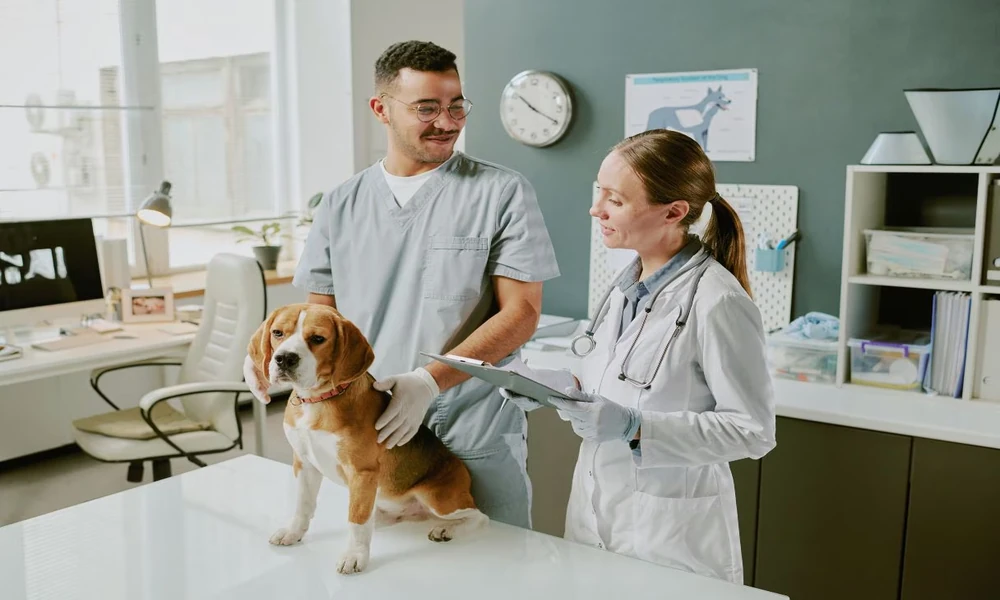
If you live with more than one pet, you already know the joy comes with a little chaos. One dog needs a refill, one cat is overdue for vaccines, and somehow both seem to need attention at the exact same time. You are keeping track of feeding routines, behavior changes, grooming, medications, and the small shifts that tell you something may be off. It can feel like a lot, especially when you are trying to do right by every animal in your home, and having a trusted veterinarian in Black River can make it easier to manage their care.
That is where a veterinary clinic can make life easier. Good care is not only about treating illness when it shows up. It is also about helping you stay organized, prevent problems, and create a plan that works for your whole household. In simple terms, 5 Ways Veterinary Clinics Support Multi Pet Households comes down to prevention, coordination, behavior guidance, disease control, and practical support that saves you time and stress.
Why does caring for several pets feel harder than it should?
When you have one pet, it is usually easier to spot changes. With two, three, or more, the picture gets blurrier. Who skipped breakfast. Which pet threw up. Is the scratching new, or has it been going on for days. Because of that confusion, small issues can turn into bigger ones before you have a clear answer.
There is also the problem of overlap. Pets in the same home share bowls, beds, toys, litter areas, and close contact. If one animal picks up parasites, develops a respiratory illness, or reacts badly to stress, the effects can spread through the household fast. The CDC healthy pets guidance is a useful reminder that pet health and household health are closely connected.
So, where does that leave you? Usually in a place where you need more than a quick fix. You need a system. A strong veterinary clinic helps build one.
How do veterinary clinics help families manage care for multiple pets?
The first way clinics help is by coordinating preventive care. Instead of treating each pet in isolation, they can line up vaccine schedules, wellness exams, parasite prevention, dental checks, and senior screenings in a way that is easier to follow. That means fewer missed appointments and fewer surprises.
The second way is early detection. In a busy home, a subtle weight change or behavior shift can slip by. During regular visits, a veterinary team may catch skin problems, dental disease, mobility issues, or chronic illness before they become harder and more expensive to manage. That matters because early care often protects both your pet’s comfort and your budget.
The third way is behavior support. Multi pet homes can bring tension over food, territory, litter boxes, or attention. A clinic can help you tell the difference between normal adjustment and a health issue that looks like bad behavior. For example, a cat avoiding the litter box may not be acting out at all. Pain, stress, or infection may be the real cause.
The fourth way is disease prevention across the home. Shared spaces increase exposure risk, which is why clinics often talk with families about hygiene, vaccines, parasite control, and safe handling. The CDC offers practical information about pets and animals in the home, including habits that reduce risk for both people and pets.
The fifth way is support during the hard moments. If one pet becomes sick, the impact rarely stays with that one animal. Routines change. Other pets may react. Costs rise. Your clinic can help you prioritize care, adjust household routines, and make thoughtful decisions instead of rushed ones. That kind of guidance matters more than people often expect.
What does this support look like in real life?
Picture a home with two dogs and a cat. One dog starts coughing, the cat has stopped grooming as much, and the second dog seems fine. It would be easy to focus only on the cough. But a good clinic looks at the whole household. Are vaccines current. Could there be exposure to a contagious illness. Is the cat stressed by the change. Does everyone need screening or updated prevention?
This is where veterinary support for multiple pets becomes practical, not abstract. The goal is not to create more appointments for you. It is to connect the dots before they become emergencies. If there is concern about infectious illness, the CDC page on diseases pets can carry can help you understand why prompt guidance matters.
Which clinic services matter most for a multi pet household?
Not every service has the same impact when you are managing several animals. Some steps protect the whole home more than others. The table below can help you see where a veterinary clinic often adds the most value.
| Clinic Support | Why It Helps in Multi Pet Homes | What Can Happen Without It |
|---|---|---|
| Coordinated wellness exams | Keeps records, vaccines, and screenings on track for each pet | Missed care, duplicate visits, confusion about due dates |
| Parasite prevention plans | Reduces spread of fleas, ticks, and worms across shared spaces | Household wide infestations and higher treatment costs |
| Behavior and stress assessment | Helps identify conflict, anxiety, or medical causes behind behavior changes | Escalating tension, accidents, or injuries between pets |
| Early diagnostic testing | Finds issues before symptoms become obvious in a busy home | Delayed treatment and more serious illness |
| Household health guidance | Protects pets and people through hygiene and disease prevention advice | Greater risk of spread between animals and family members |
What can you do right now to make life easier for every pet?
1. Build one shared care calendar. Put every pet’s exams, vaccines, refill dates, and preventive treatments in one place. When care is scattered across notes, apps, and memory, things get missed. A single calendar lowers stress fast.
2. Track changes by pet, not by room. If you notice vomiting, coughing, appetite changes, or litter box issues, write down which pet, when it happened, and how often. In a home with several animals, that simple habit can make a veterinary visit much more useful.
3. Ask for a household plan, not just individual appointments. This is one of the best ways to get the full benefit of a veterinary clinic. Ask about synchronized visits, parasite prevention for all pets, and what signs would matter most if one animal gets sick.
Could the right support change the rhythm of your home?
Yes, and often more than you expect. Multi pet life will probably never be perfectly tidy, and that is part of its charm. Still, it should not feel like you are always one step behind. With the right clinic support, you can move from reacting to problems toward preventing them, and that shift can bring a lot of relief.
If your home includes several animals, it may be time to ask for care that reflects that reality. Thoughtful pet care for multi pet households can protect your pets, reduce household stress, and help you feel more confident about what comes next.