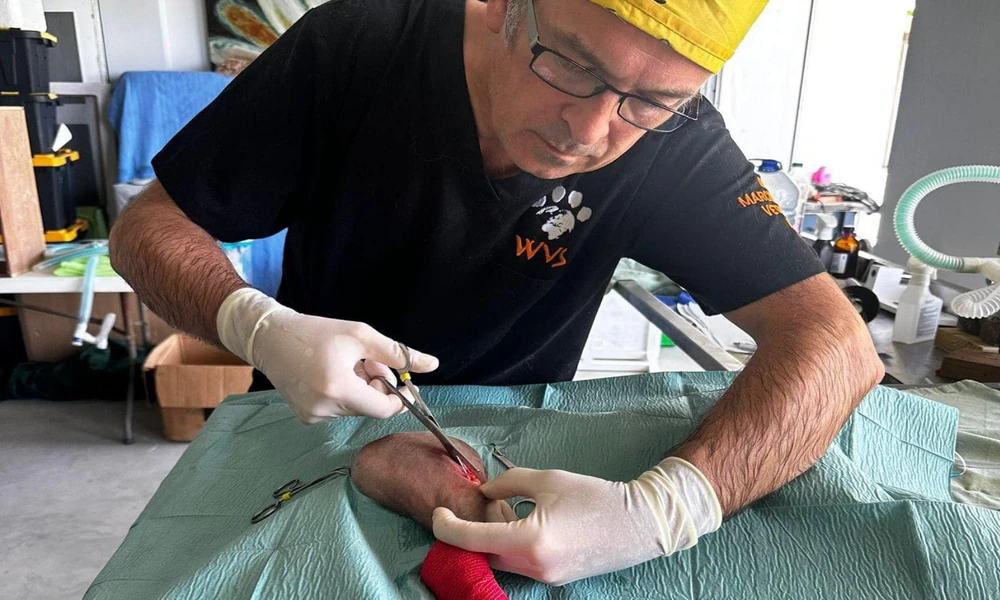
You might be feeling the kind of fear that comes when the weather alert will not stop buzzing, the roads are getting crowded, and your pet is looking at you as if you already know what to do. Before a storm, wildfire, flood, or tornado, life can feel normal enough to delay hard choices. After it hits, everything changes at once. Access to food, medicine, shelter, and transport can disappear in hours. In that moment, knowing how a South Houston veterinary hospital and other veterinary hospitals provide critical care in natural disasters can ease some of the panic, because these hospitals often become a lifeline for sick, injured, and displaced animals when every minute counts.
That support goes far beyond a basic exam. A veterinary hospital may stabilize breathing, control bleeding, treat burns, manage shock, provide oxygen, monitor dehydration, refill urgent medications, and coordinate transfer when a pet needs a higher level of care. If your pet has a chronic condition like diabetes, seizures, heart disease, or kidney problems, disaster conditions can turn a manageable issue into an emergency very fast. Because of that, understanding what animal emergency care during disasters looks like helps you make calmer decisions under pressure.
What Happens To Pets When A Disaster Turns Routine Care Into An Emergency?
When a natural disaster disrupts power, roads, and communication, pets face more than injury from debris or rising water. Stress alone can trigger serious health problems. A dog with anxiety may stop eating. A cat with asthma may struggle in smoke filled air. A senior pet who misses medication for even a day or two may decline fast. So, where does that leave you?
It means a veterinary hospital often shifts from routine appointments to triage and emergency response. Teams assess which animals need immediate intervention, which can wait, and which may need referral to emergency or specialty centers. They may treat wounds, infections, fractures, heat stress, toxin exposure, or smoke inhalation. They also help with less obvious issues, like replacing lost prescriptions, checking microchips, documenting medical history, and helping reunite pets with owners after evacuation.
This is also where planning matters. If your pet is separated from you or arrives at a shelter, records from your regular veterinary hospital can guide treatment. The United States Department of Agriculture offers useful guidance on animal emergencies and disaster preparedness, including steps that support safer evacuation and response for animals.
Why Do Veterinary Hospitals Matter So Much During Pet Disaster Response?
During a disaster, many people assume the main job is to treat visible injuries. That is part of it, but not the whole picture. How veterinary hospitals provide critical care in natural disasters also includes maintaining continuity of care. That can mean storing temperature sensitive medications when power is unstable, managing pets that cannot be boarded in general shelters, and recognizing when a quiet symptom is actually life threatening.
Think about a few common scenarios. A dog is rescued after a flood and seems fine, but has inhaled contaminated water and starts coughing hours later. A cat escapes during evacuation, is found two days later, and is severely dehydrated. A rabbit exposed to extreme heat stops eating, which can quickly become dangerous. In each case, a veterinary hospital is not just reacting. It is sorting risk, watching for delayed complications, and making treatment decisions based on changing conditions.
That is why veterinary critical care during disasters matters so much. It creates structure when everything around you feels unstable. It gives your pet a better chance at recovery, and it gives you clear next steps when you may be running on very little sleep and a lot of worry.
What Can You Expect From A Veterinary Hospital During A Natural Disaster?
Services vary based on staffing, supplies, damage, and local emergency orders, but most hospitals focus first on urgent needs. That may include oxygen support, pain control, wound cleaning, bandaging, IV fluids, anti nausea medication, emergency surgery assessment, and monitoring. Some hospitals also work closely with shelters, rescue groups, and emergency management teams to handle displaced animals and surge capacity.
If you are preparing ahead of time, the Centers for Disease Control and Prevention has practical advice for pet emergency preparedness, including what to pack and how to plan for evacuation. That kind of preparation can reduce delays once your pet reaches a veterinary hospital.
How Does Home Care Compare To Veterinary Hospital Care In A Disaster?
It is natural to want to manage things on your own if roads are bad or clinics are busy. Sometimes basic home care is appropriate for very minor issues. But disaster conditions make symptoms harder to judge, and small problems can grow fast. The table below can help you see the difference.
| Situation | Home Care May Help | Veterinary Hospital Care Is Safer When |
|---|---|---|
| Minor stress after evacuation | Quiet space, water, familiar bedding, close observation | Your pet will not eat, cannot settle, or has trouble breathing |
| Small cut or scrape | Gentle cleaning if bleeding stops quickly | Bleeding continues, the wound is deep, or debris is embedded |
| Missed medication dose | Check your written instructions if you have them | Your pet has seizures, diabetes, heart disease, or insulin was lost |
| Smoke, heat, or flood exposure | Move to a safe area and offer water if your pet is alert | There is coughing, weakness, vomiting, pale gums, or collapse |
This is where a veterinary hospital becomes more than a clinic. It becomes a decision point, a treatment center, and often the fastest path to stabilize your pet before things get worse.
What Three Steps Can You Take Right Now To Protect Your Pet?
1. Build a grab and go pet medical kit. Pack medications, feeding instructions, vaccine records, microchip details, a leash or carrier, and at least several days of food. Include a printed copy of your pet’s medical history in case your phone dies or service goes down.
2. Call your veterinary hospital before disaster season peaks. Ask how they handle evacuations, prescription refills, emergency transfers, and medical record access. If your pet has a chronic illness, ask what signs mean you should seek urgent care right away.
3. Do not wait for obvious injury. In disaster pet emergency care, subtle symptoms matter. Labored breathing, unusual silence, vomiting, refusal to eat, shaking, weakness, or confusion can all signal a problem that needs prompt attention.
When Everything Feels Uncertain, What Should You Hold Onto?
You do not need perfect timing or a perfect plan to help your pet. You just need the next right step. Natural disasters are chaotic by nature, but veterinary hospitals bring order to some of that chaos through triage, treatment, monitoring, and guidance. When you understand how veterinary hospitals provide critical care in natural disasters, it becomes easier to act early, ask better questions, and protect the animal that depends on you.
If severe weather or another emergency is approaching, gather your pet’s records, medications, and supplies now, and contact your veterinary hospital for care guidance if your pet shows any sign of distress.