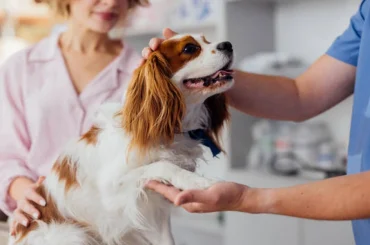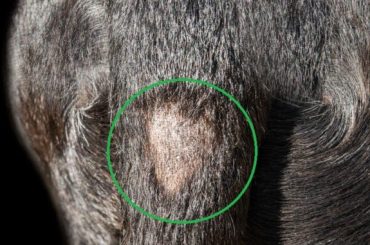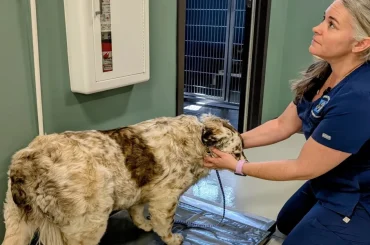
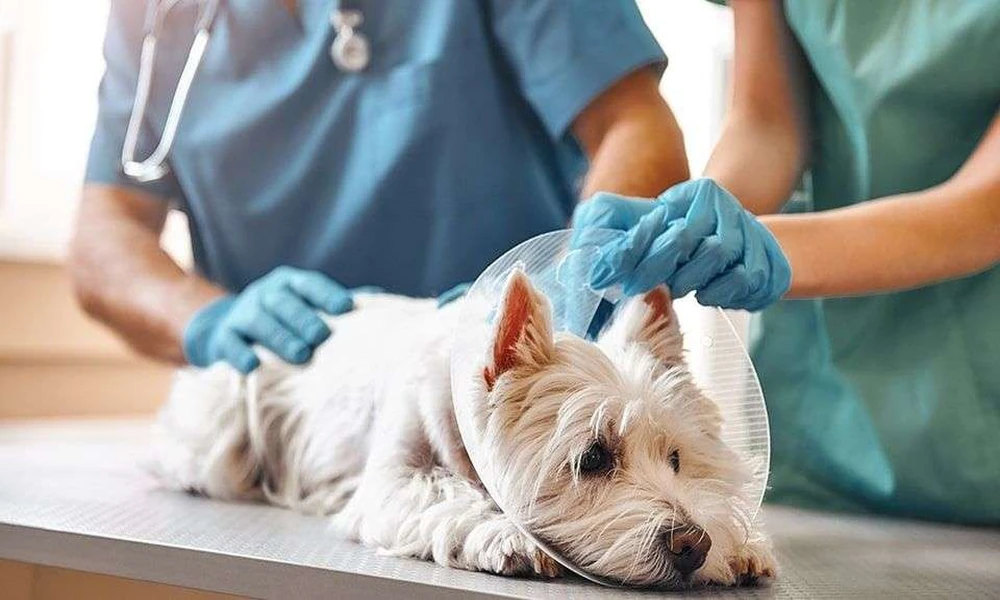
You might be feeling that quiet worry many pet owners know well. Your dog seems a little slower on walks, your cat is eating less, or your pet looks fine one day and off the next. Before anything feels urgent, it is easy to hope the problem will pass. After a real scare, though, your view often changes. You start to see how much your pet depends on steady medical care from a veterinarian in Beaumont, not just emergency help when something goes wrong.
That is why animal hospitals matter so much. They do more than treat illness in the moment. They help protect your pet’s health over time through exams, testing, prevention, surgery, dental care, and early treatment. If you have ever wondered whether regular veterinary care is really worth it, the short answer is yes. It can mean fewer surprises, better comfort, and more good years with the animal you love.
Why does long term pet health depend on more than treating problems as they happen?
Many health issues in pets build slowly. Dental disease, arthritis, weight gain, kidney trouble, heart changes, and skin conditions often start with small signs that are easy to miss at home. A pet may still wag its tail, ask for dinner, and curl up beside you, all while discomfort grows in the background. Because of this, waiting until symptoms become obvious can cost your pet time, comfort, and sometimes treatment options.
An animal hospital gives you a place where those early changes are more likely to be caught. Routine exams create a record of what is normal for your pet, which makes it easier to spot shifts in weight, behavior, breathing, mobility, or lab work. That kind of continuity is one reason animal hospitals are essential for long term pet health. They are built not only for crisis care, but for pattern recognition, follow up, and prevention.
So, what does that look like in daily life? It may mean finding a heart murmur before it becomes severe. It may mean diagnosing diabetes before your pet becomes weak and dehydrated. It may mean treating an ear infection before it turns into chronic pain. Small actions at the right time can change the course of a pet’s life.
What makes an animal hospital different from one time or limited care?
When your pet has access to a full service animal hospital, care is usually broader and more connected. You are not just solving one issue. You are building a health plan. That can include wellness visits, vaccines, lab testing, imaging, surgery, nutrition support, dental cleanings, and age based screening. If your pet’s needs change, the hospital can often adjust quickly because the team already knows your pet’s history.
This matters emotionally as much as medically. When your pet is sick, stress can make every decision harder. Having an established relationship with an animal hospital can reduce some of that fear. You know where to call. You know who has your records. You know there is a team that has seen your pet before and can help you think clearly in a hard moment.
For trusted examples of what community based pet care can look like, you can review the services offered through Cornell’s small animal community practice. You can also explore broader animal health oversight and veterinary resources through USDA APHIS Veterinary Services.
Could skipping regular veterinary visits cost more later?
It often can. Many people delay care because they are trying to avoid a large bill, which is understandable. Pet care costs are real, and they can feel heavy. But untreated problems usually do not stay small. A minor skin irritation can become an infection. Tartar buildup can become painful dental disease. Mild limping can turn into chronic joint damage. By the time the issue is impossible to ignore, treatment may be more involved and more expensive.
This is where long term pet wellness care becomes so important. Preventive medicine may not seem dramatic, but it often saves money and suffering over time. Regular visits also create chances to talk about nutrition, parasite prevention, behavior changes, and age related concerns before they turn into emergencies.
How does preventive care compare with waiting until a pet is sick?
The difference is often easier to see side by side.
| Approach | What It Usually Includes | Likely Outcome |
|---|---|---|
| Preventive care at an animal hospital | Routine exams, vaccines, dental checks, lab work, weight monitoring, early screening | Earlier detection, steadier health tracking, fewer severe surprises |
| Waiting for obvious symptoms | Care only after pain, appetite loss, vomiting, limping, or behavior changes become clear | Later diagnosis, more discomfort, and often more complex treatment |
| One time or limited care | Treatment for a single issue without ongoing follow up | Less continuity, harder to spot patterns, missed chronic problems |
For many families, the goal is not perfection. It is staying ahead of what you reasonably can. A good animal hospital helps you do that with a plan that fits your pet’s age, breed, lifestyle, and medical history.
What can you do right now to support your pet’s health over the long run?
1. Schedule regular exams before there is a crisis.
If your pet has not had a checkup in the last year, start there. Senior pets or animals with chronic conditions may need visits more often. These appointments give your veterinary team a baseline and make future changes easier to catch.
2. Track small changes at home.
Pay attention to appetite, thirst, weight, energy, bathroom habits, breathing, skin, and movement. You do not need to guess what it means. You just need to notice it. Even a short note on your phone can help your veterinary team connect the dots faster.
3. Ask for a prevention plan, not just treatment.
During your visit, ask what your pet needs over the next six to twelve months. That may include vaccines, parasite control, blood work, dental care, or weight support. This turns care into a strategy instead of a series of rushed decisions.
Where does that leave you if you want the best for your pet?
It leaves you with a simple truth. Pets do not always show pain clearly, and they cannot tell you when something feels off. That is why animal hospitals play such an important role in long term health. They help catch problems early, manage chronic conditions, and give your pet a better chance at a longer, more comfortable life.
If you have been putting off a visit, you are not alone, and it is not too late to start. The next right step is often a basic checkup and a conversation about what your pet needs now, not just when something goes wrong.