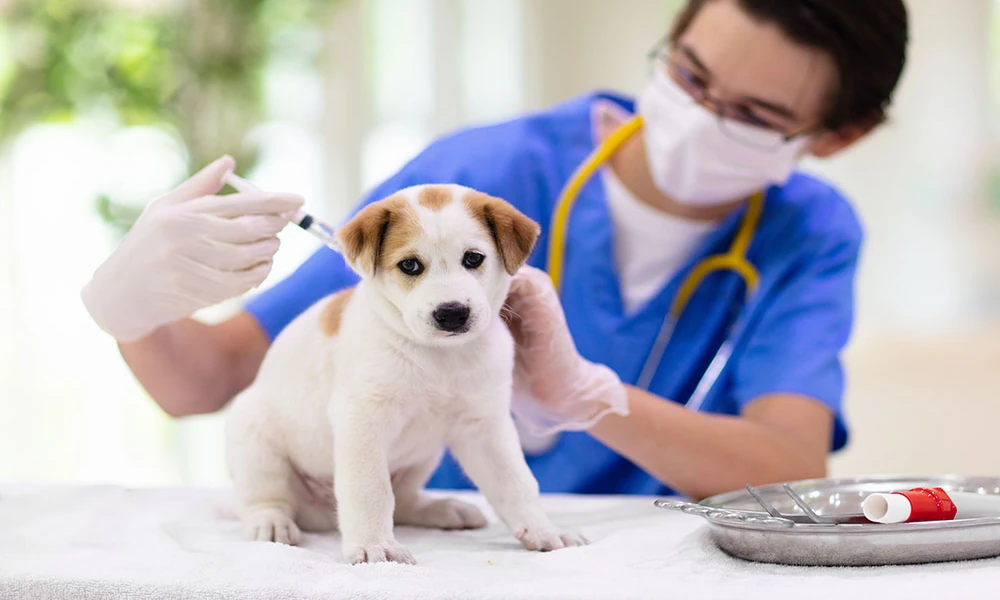
You might be doing everything you can to keep your pet safe, from choosing good food to watching for small changes in behavior, and still feel unsure about vaccines. That uncertainty is common. One visit to an animal hospital, such as one supported by the West Scarborough vet team, can bring up a lot of questions, especially when you are trying to balance cost, timing, side effects, and the simple hope that your dog or cat stays healthy. The short answer is this. Why vaccination programs are vital in animal hospitals comes down to prevention, protection, and peace of mind. A thoughtful vaccine plan helps lower the risk of serious disease, protects other animals, and can even reduce risks to people in some cases.
That matters because illness often does not arrive with much warning. A pet can seem fine one week and become very sick the next. When a hospital uses a structured vaccine program, it is not just checking a box. It is building a layer of defense around your pet’s life, and around the community your pet lives in.
Why do animal hospitals put so much focus on preventive pet vaccination?
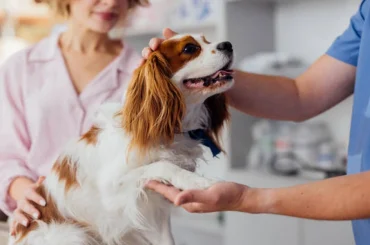
When you bring your pet in for vaccines, you are really doing more than preventing one disease. You are helping your care team track age, lifestyle, travel, boarding needs, exposure risk, and overall health. A puppy who goes to training classes has different needs than a senior dog who rarely leaves home. An indoor cat may have lower exposure to some illnesses, but that does not always mean zero risk.
Because of this, preventive pet vaccination is rarely one size fits all. Animal hospitals use vaccine schedules to decide which vaccines are core and which are based on risk. The WSAVA vaccination guidelines help support that decision-making, which gives pet owners a more tailored and sensible plan.
So, what happens if those plans are skipped? The answer can be hard to hear. Diseases such as parvovirus, distemper, and rabies can be severe, expensive to treat, and sometimes fatal. Even when treatment is possible, it can involve hospitalization, isolation, repeated testing, and a lot of stress for you and your pet.
What risks grow when routine animal vaccines are delayed or missed?
It often starts with good intentions. Life gets busy. A reminder card gets buried. A pet seems healthy, so the visit feels less urgent. But missed vaccines can create gaps in protection, and those gaps can matter more than many people realize.
Take leptospirosis as one example. It can affect dogs and can also spread to humans in certain situations. The CDC information on leptospirosis in pets explains why exposure can happen through contaminated water or soil, which means even normal outdoor activity may carry risk. That is one reason animal hospitals pay close attention to your pet’s environment and habits.
There is also the broader issue of contact with other animals. Dog parks, boarding facilities, grooming appointments, training classes, and neighborhood walks all increase the chance of exposure. The CDC healthy dogs guidance highlights how routine preventive care supports both pet and public health.
And then there is the financial side. Many families worry about the cost of vaccines, which is understandable. Yet the cost of prevention is often far lower than the cost of emergency treatment. When a disease could have been prevented, the emotional weight can feel even heavier.
How does an animal hospital vaccine program compare to waiting until a pet gets sick?
Sometimes it helps to see the difference clearly. A structured vaccine plan in an animal hospital is meant to prevent crisis, while a wait-and-see approach often leaves you reacting under pressure.
| Approach | Short-Term Cost | Health Impact | Stress Level | Community Risk |
|---|---|---|---|---|
| Routine vaccination program | Usually predictable and lower | Helps prevent severe infectious disease | Lower, because care is planned | Lower, because spread is reduced |
| Delayed or missed vaccines | May seem lower at first | Higher risk of preventable illness | Higher, especially during emergencies | Higher, especially in shared pet spaces |
| Treatment after infection | Often much higher and less predictable | Outcome may be uncertain | Very high for pets and owners | Can increase if disease spreads before diagnosis |
This is why many hospitals talk about pet vaccine programs instead of single shots. The goal is not just getting through one appointment. The goal is building steady protection over time.
What can you do right now to protect your pet with smarter vaccine planning?
1. Review your pet’s real lifestyle.
Think beyond the basics. Does your dog visit parks, trails, kennels, or daycare? Does your cat ever slip outside or live with other pets? Share those details at your next visit. They shape which vaccines matter most.
2. Ask for a clear vaccine schedule.
If the plan feels confusing, ask your hospital to write it out by date and purpose. Knowing what is due now, what is optional based on risk, and what comes next can make decisions feel less overwhelming.
3. Treat preventive care as part of the budget, not an extra.
It can help to plan for vaccines the same way you plan for food, grooming, or monthly preventives. That shift often makes care easier to keep up with and lowers the chance of expensive surprises later.
Where does that leave you if you just want to do right by your pet?
It leaves you in a good place, even if you still have questions. Wanting to understand vaccines before making decisions means you are paying attention, and that matters. Why vaccination programs are vital in animal hospitals is not just a medical question. It is about giving your pet a safer, steadier life and giving yourself fewer moments of panic down the road.
If your pet is due, overdue, or starting care for the first time, schedule a vaccine review with your local animal hospital and ask for a plan that fits your pet’s age, habits, and risk level. A simple preventive visit now can spare your pet a much harder road later.